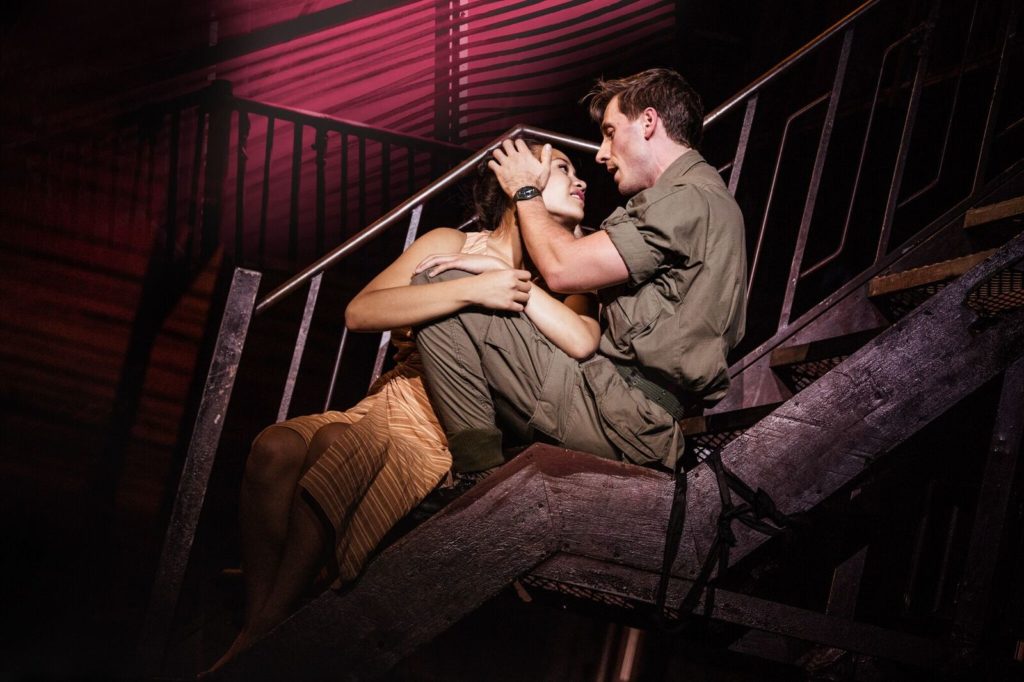
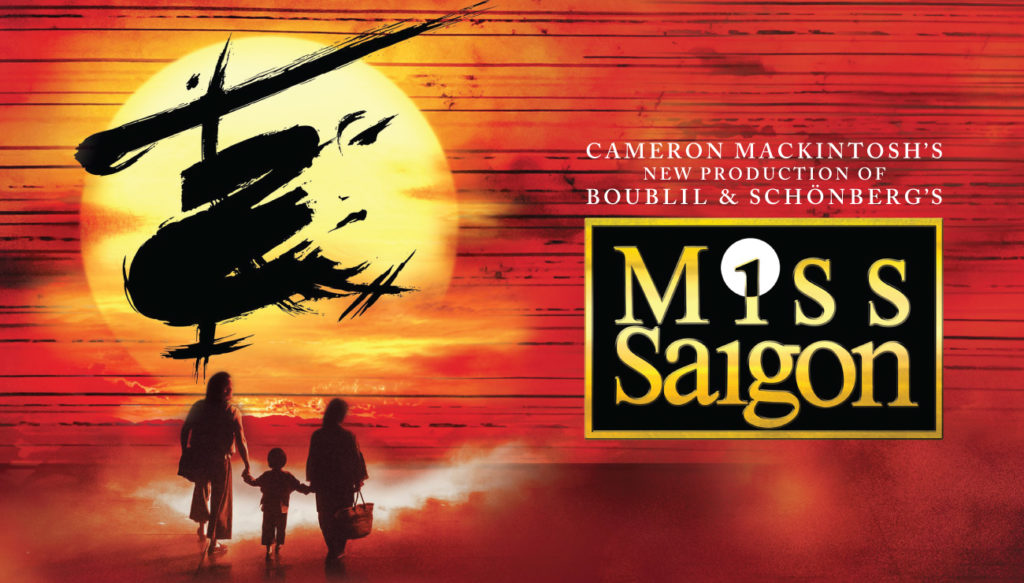
Since Broadway producer Cameron Mackintosh (Les Miserables, Phantom of the Opera, Cats) first presented Miss Saigon in the late 80s, the show has been met with equal parts praise and criticism. Remembering little more than that the Vietnam War-era drama—with music by Claude Michel Schoenberg and original lyrics by Alain Boublil and Richard Maltby—is loosely based on Giancomo Puccini’s famed opera, Madame Butterfly, plus the fact that I hadn’t seen the show since its first National Tour in the early 90s, I was anxious to revisit it during its current engagement on stage in Nashville at TPAC’s Jackson Hall thru Sunday, June 9.
For those not familiar, a bit of Miss Saigon’s plot: As sweeping Broadway musicals often do, Miss Saigon tells an often heart-tugging story. American GI Chris meets and falls in love with a young Vietnamese woman named Kim while deployed in Saigon during the Vietnam Conflict. Sadly separated on the day Kim is to join Chris as he leaves to return stateside, the story continues as Kim struggles to make a life for herself while always thinking of the life she could have had with Chris in the US. Meanwhile, Chris attempts to put the war and all that came with it behind him as he meets and marries Ellen, a young American woman. A few years later, Chris and Kim’s paths cross again and more drama, love and tragedy play out.
But here’s the thing, even if you’ve seen Miss Saigon in the past and are familiar with the story, this tour features a few differences from previous incarnations, making it worth a second look for sure.
Just last week, when I chatted with two members of the tour for my latest Rapid Fire Q&A, I asked Anthony Festa, who plays Chris, about some of those differences in the current production. Festa revealed, “Our director, Laurence Connor has re-imagined this production completely. From minor script changes to a new helicopter design that really blows the audience away ever single night. Working directly with the entire creative team and Cameron Mackintosh (the show’s original creator) himself has been an amazing experience. The entire team has brought nuance to the piece and really allowed our cast to breath a whole new life into it.” Festa was spot on in his assessment, as Connor’s fresh take has indeed helped to reinvigorate the show.
The show begins with the up-tempo, and deceptively party-atmospheric The Heat is On. Gotta love the telling lyric “Is there a war going on? Don’t ask, I ain’t gonna tell”. It’s during this number that the audience is introduced to naive Kim (Emily Bautista, who understudied the role during its recent Broadway revival run), a beautiful orphaned girl who’s lost her parents during the Vietnam War, who, with no other viable choice, begins working at the ironically named Dreamland, a nightclub/brothel run by a shifty local known simply as The Engineer (Red Concepcion fresh from the UK touring company). Meanwhile, Festa’s Chris and several of his fellow soldiers, including Chris’ friend, John (J. Daughtry) descend upon Dreamland.
Both longing to escape the torment of war and their current situations, what might have been a single night of unlikely romance and passion develops into much more as Kim sees meeting Chris as a life-changing opportunity, while Chris feels empathy and a shared solace in their circumstances.
Festa plays Chris with a kindness that I don’t remember the character necessarily having in previous productions I’ve seen. That, coupled with Festa’s handsome features and comforting tenor vocals, make it easy to see why Kim would fall for him.
As for Bautista’s Kim, yes, she’s gorgeous, yes she plays the role with a nuanced hurt/strength seesaw of emotions, but it’s her subtle movements, a look, a gesture and her powerful, yet sweet vocals that make her portrayal her own. It should be noted that Myra Molloy plays Kim at certain performances.
Perfectly illustrating the different ways of perceiving one’s situation and one’s relationships with others, enter Christine Bunuan as Gigi, a…shall we say…more experienced co-worker at Dreamland. Hardened by the hand life has dealt her, but sympathetic to Kim as she adjusts to her current situation, Gigi’s performance of The Movie in My Mind, a telling tune with equal parts regret and surprisingly unwavering hope, is one of the show’s early highlights. This is Bunuan’s shining moment, as Gigi all but disappears from the story afterward, but it’s her powerful, heartfelt performance that is among the most memorable of the entire show. Adding to the poignancy of the lyrics, Bautista joins Bunaun during the number, offering the audience a loot into Kim’s future through Gigi’s present, while reinforcing the dream/nightmare of their reality.
While The Movie in My Mind is indeed gorgeous and telling, it’s not exactly melodically memorable. To be honest, not much of Miss Saigon’s tunes are. That said, Kim and Chris’ Sun and Moon is still THE show’s most romantic number, as is its Act 2 reprise. Don’t get me wrong though, while it’s not a soundtrack you’re likely to be humming after you leave the theatre, it is indeed sweeping, powerful and magnificent, and much like myself, who hadn’t heard it in more than a decade or two, as each number was performed, the emotion and brilliance returned like a long-dormant sense-memory. To that end, I have to think the show honors its inspiration, Madame Butterfly. Rather than being full of show tunes in the traditional sense, Miss Saigon’s soundtrack serves as a melodic narrative. Instead of simply speaking the words that propel the story, the plot is revealed in narrative melody.
In previous mountings of Miss Saigon, there seemed to be more anger. Anger from Kim once she discovers Chris has made a new life for himself. Anger from Ellen, when she learns the deep bond between Chris and Kim. And finally, anger from Chris for Kim, who kept a huge secret, and for Ellen who isn’t as forgiving as he had hoped. But with this current production, thanks to a few rewrites, as well as the entire company’s ability to play hurt, disappointment, vulnerability and yes, anger with jus the right balance, there’s a new understanding, a new depth to the story. When I spoke with Bono about this during my recent Rapid Fire Q&A, she perfectly illustrated the point by offering, “I hope my portrayal of Ellen has helped show that she is not a villain at all, but another victim of this story.”
Speaking of Bono’s Ellen, her Act 2 scene with Bautista’s Kim, Room 317 and the subsequent Maybe, are among the second act’s memorable moments.
Another great example of the victim-theme found throughout the piece comes in the unlikely form of the aforementioned Concepcion as The Engineer. Played largely for laughs with humorous lyrics, outrageous antics and a bit of stereotyping, The Engineer, in 2019 comes across a victim of the conflict of war as well, or at the very least, a victim of the opportunities of war. Most of his numbers, The Transaction, The Deal, The Morning of the Dragon, If You Want to Die In Bed, What a Waste and The American Dream are key to the evolution of not only his character, but the story itself.
Even the set design mirrors the overall theme of the desire to better one’s life. Early on, Dreamland, the club owned by The Engineer is little more than a lean-to with a thatched roof. When John and Chris return to Vietnam in search of Kim after the war, they encounter The Engineer is what can only be described as a Vegas-inspired conglomeration of cheekily named strip joints. Then, later, as The Engineer sings the praises of The American Dream, it’s an all-out show-stopping spectacle.
Without giving away too much of the plot for those who may not be familiar, Act 2’s opening number, Bui Doi, featuring Daughtry’s John has a renewed significance thanks to recent events at the hand of our current administration. During this number, a very nice, but increasingly chatty lady sitting next to me leaned over and asked if I remembered this particular time in US history, I quietly said I was a bit too young to remember it. Let me tell you this, it was everything I could do to keep from standing and applauding loudly when this particular number was over, because Bui Doi contains a lesson we have apparently forgotten, a lesson we need to remember now, as much as ever.
So, lessons we still need to learn, gorgeous sets…mostly actual, physical three-dimensional sets, not dependent on LED screens, I might add, a romance that crosses time and place, oh, and did I mention….Festa was right…the legendary helicopter sequence that is just as magnificent and impactful as ever? Whether seeing Miss Saigon for the first time or returning to an old favorite, this show is a must see, can’t miss entertainment extravaganza of the most unexpected kind.
Miss Saigon wraps its Nashville tour dates with show thru Sunday, June 9. Showtimes are Tuesday-Thursday at 7:30p.m., Friday and Saturday at 8p.m. with matinees Saturday at 2p.m. and Sunday at 1p.m. with a final performances Sunday evening at 6:30p.m. Tickets range in price from $40 to $100. TPAC is also still offering limited $30 tickets to remaining performances. Simply arrive at the Box Office 90 minutes before showtime and enter the lottery drawing for your chance to purchase up to two tickets at the special price. CLICK HERE to purchase tickets or for more information.
Next up at TPAC, the National Tour of Fidler on the Roof returns to Jackson Hall with performances Tuesday, June 25-Sunday, June 30. CLICK HERE for tickets or for more details.
Following their Nashville dates, the National Tour of Miss Saigon continues on to Boston, San Diego, LA, Tempe, Salt Lake City, San Jose, Fort Worth, Tulsa, Louisville, West Palm Beach, Atlanta, Miami, Syracuse and Baltimore through June of 2020, with more dates to be announced. CLICK HERE to purchase tickets.
For more from the National Tour of Miss Saigon, follow the company of Facebook, Twitter and Instagram. To keep up with what’s happening at TPAC, follow them on Facebook, Twitter and Instagram as well.
As always, if you are interested in coverage for your latest entertaining endeavor, simply click the contact page and drop me a note. You can also follow JHP Entertainment on Instagram and Facebook.

 JHP: What can you tell me about Chris, the character you play in the current National Tour of
  JHP: Having just chased with Anthony, I asked his favorite aspect of sharing the stage with you, so I’ll start our conversation by asking you…what do you enjoy most about sharing scenes with Anthony?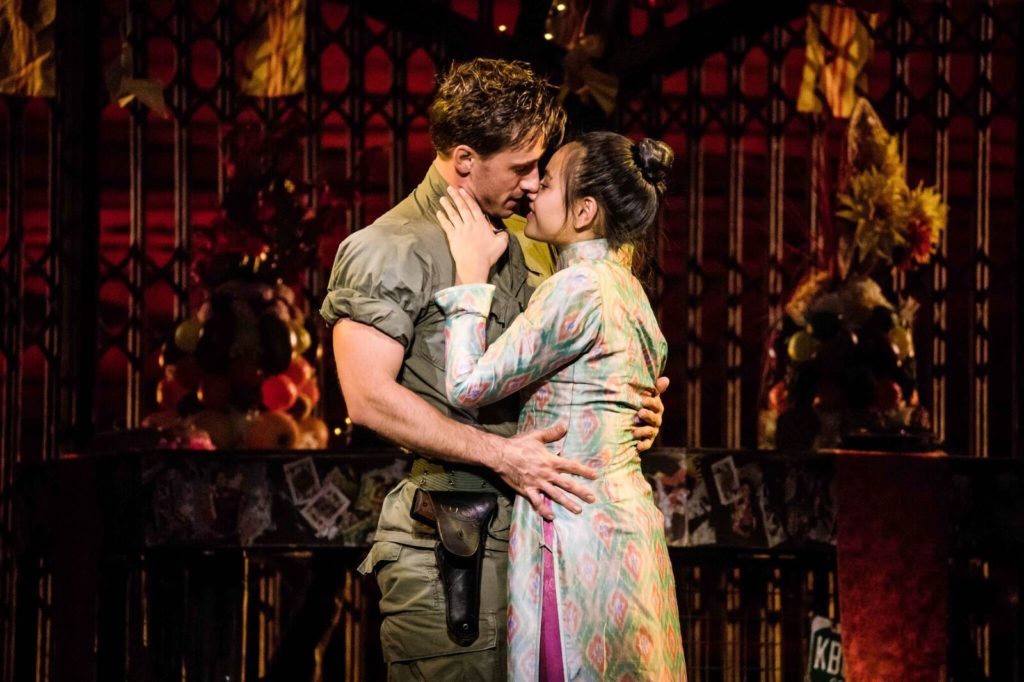
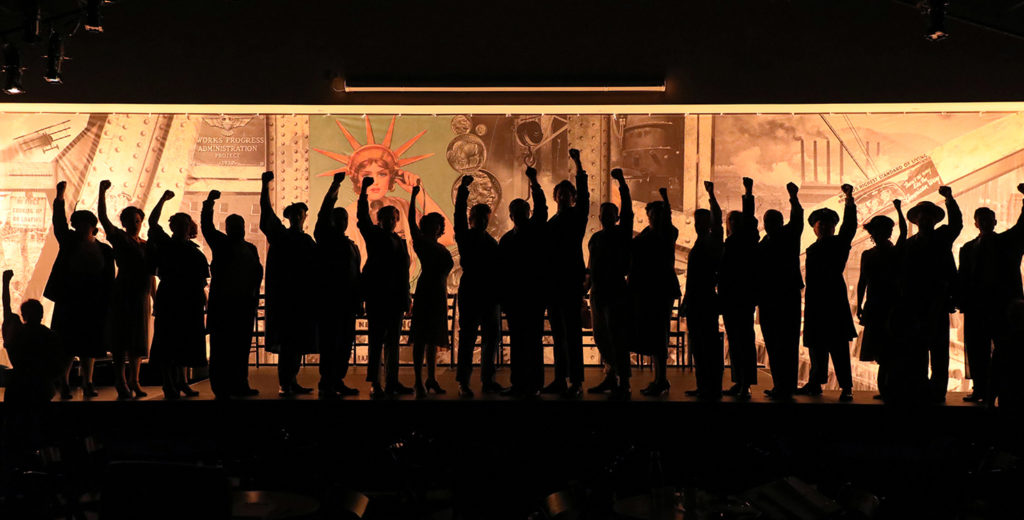
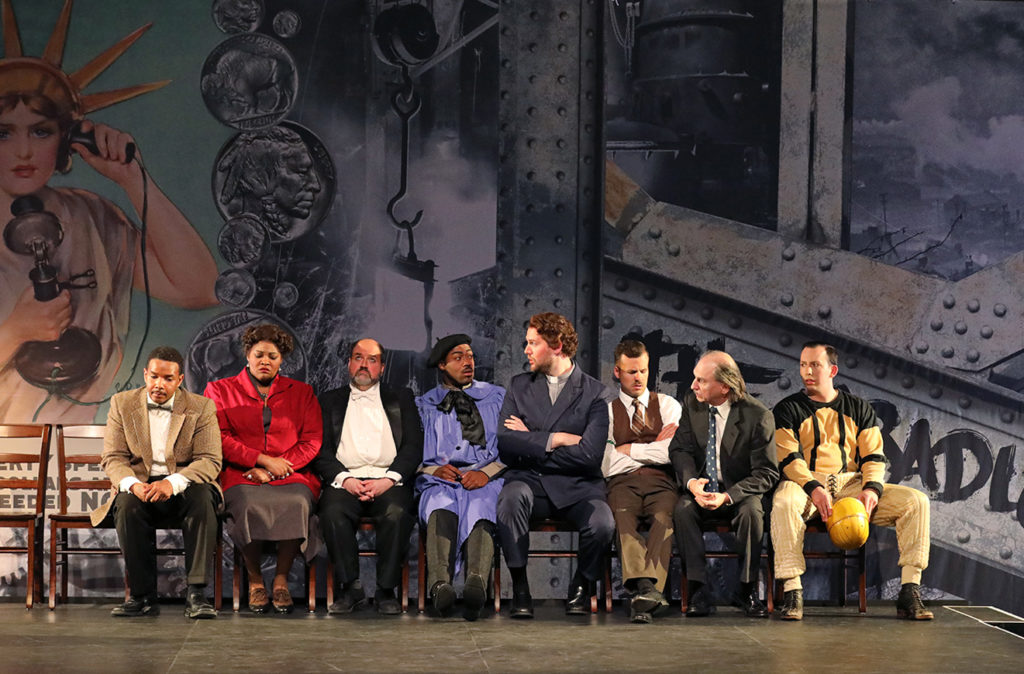
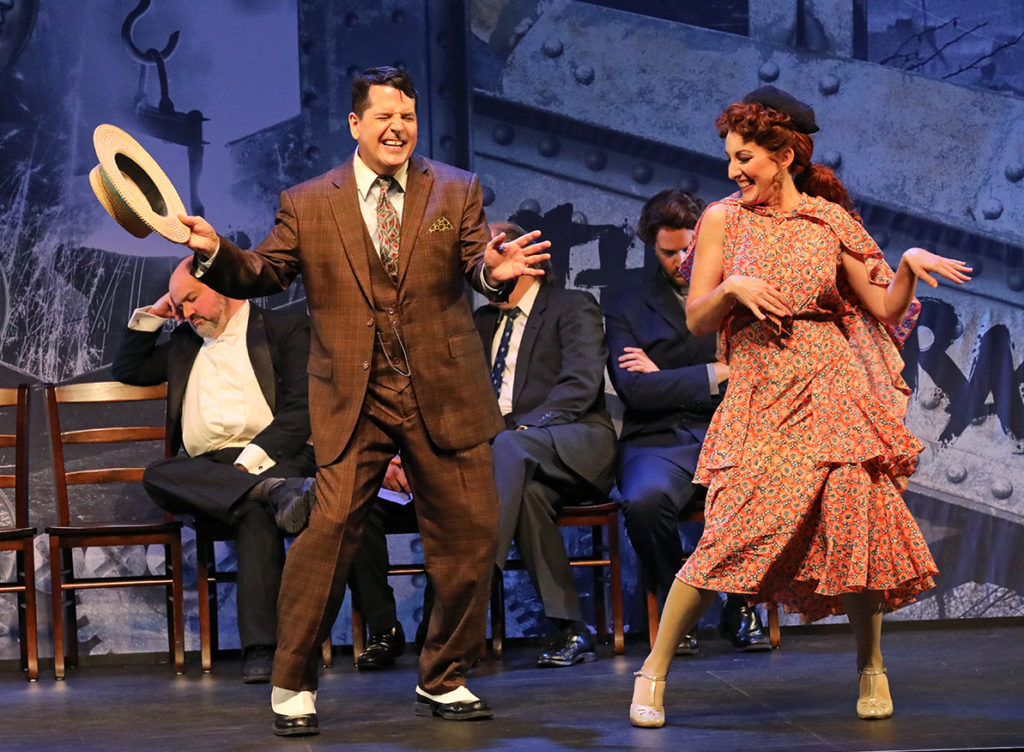
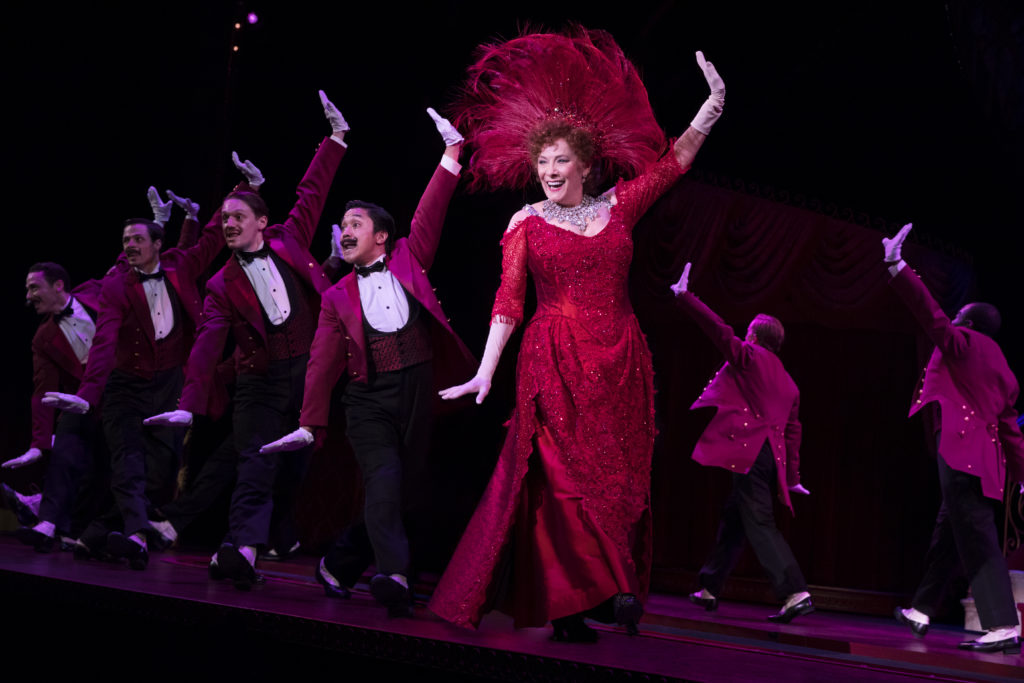
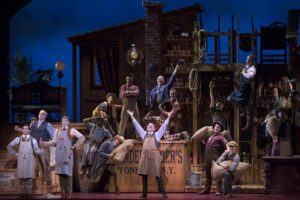 I could go on an on about Buckley’s performance and yes, she could absolutely simply stand on stage and sing each of the songs from Hello Dolly in concert and thrill audiences, but alas there’s more to Hello Dolly than Dolly Levi. For starters, Lewis J. Stadlen as the aforementioned Horace Vandergelder perfectly embraces the time period as the blustering, and frequently flustered half-millionaire. Part Al Lewis, part Jimmy Durante, part Burgess Meredith, Stadlen is indeed the perfect match and compliment to Buckley’s Levi.
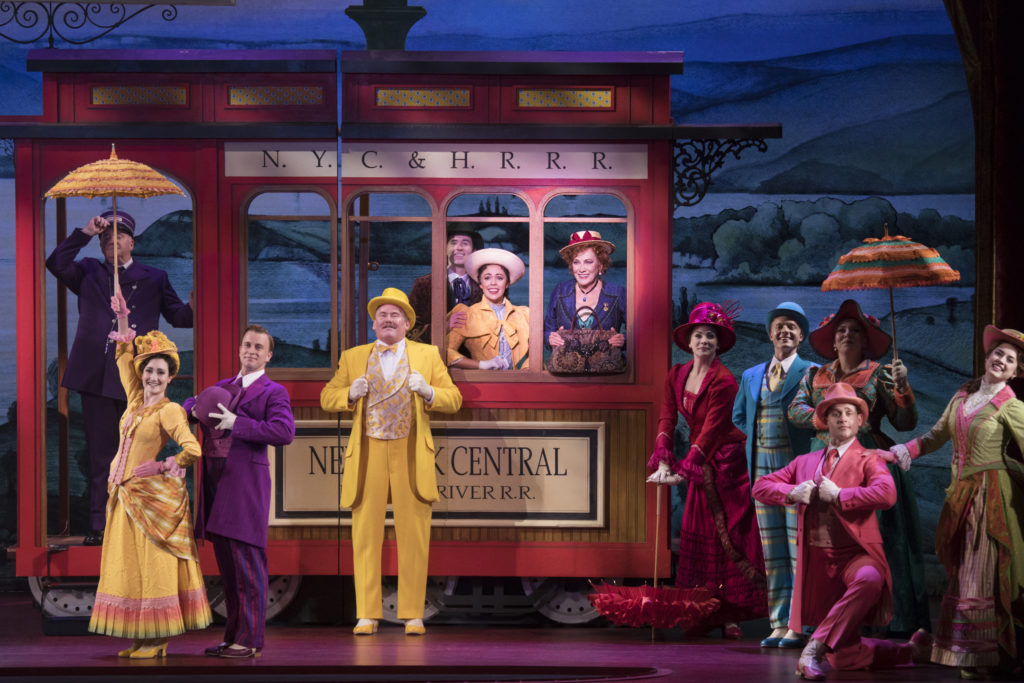 Then there’s the two young gentlemen who work for Horace, Cornelius Hackl and Barnaby Tucker (Nic Rouleau and Sean Burns), who decide to follow Dolly and Horace on an adventure to New York City with the simple goal of kissing young ladies while in the big city. Dolly and the young Yonkers residents are all showcased in one of Act 1’s most gorgeous numbers, Put on Your Sunday Clothes, one of my many personal favorite tunes in the show. During this number, its more than evident why scene and costume designer Santo Loquasto won one of the revival’s four Tony Awards, as the costumes are absolutely stunning.
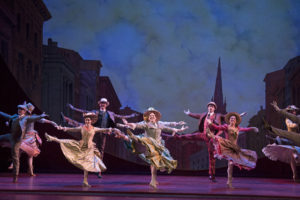 As Act 1 winds down, the audience is treated to Dancing, a nearly all-in, all-out choreo number that builds the anticipation of the inevitable pairings.
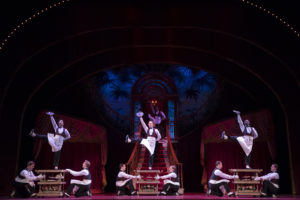 Truth be told, Act 2 begins with what I consider the weakest number, Penny in My Pocket, but with Stadlen performing it as what is essentially a one man solo vaudeville number directly addressing the audience, it works.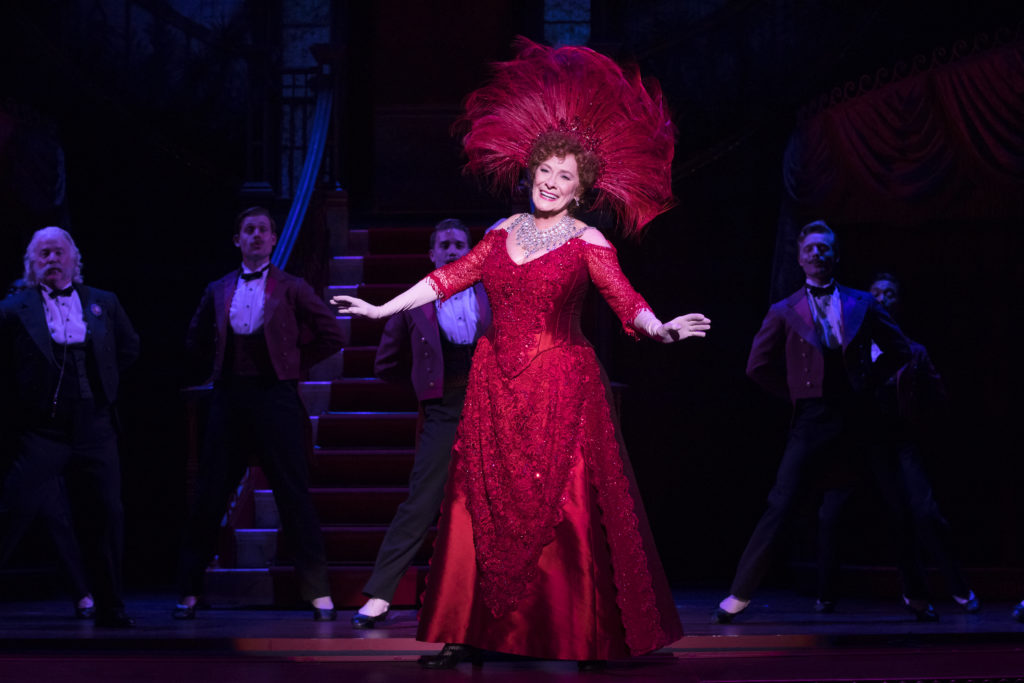
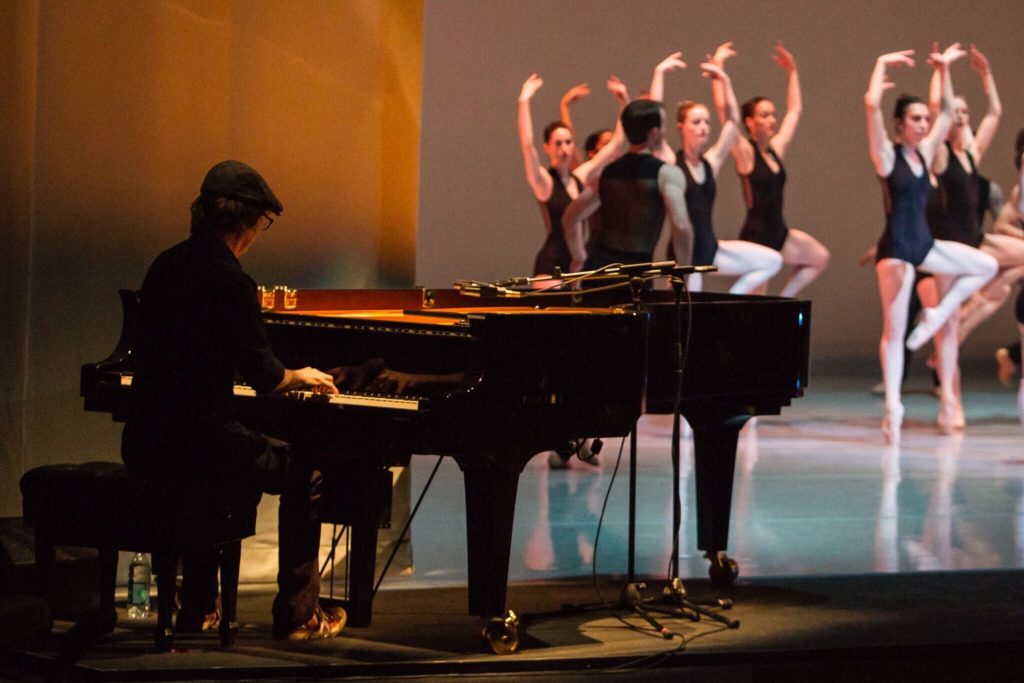

 JHP: In addition to being the company’s Musical Theatre Program Director, you’re also choreographing and appearing in Matilda as Agatha Trunchbull. What can you tell me about Agatha?
 JHP: When I chatted with Curtis, I asked him about working with you as a director, so I’ll start by asking you about directing Curtis. How has it been working with him and the rest of the cast of Matilda?
 JHP: You play Mrs. Wormwood. What’s your favorite thing about her?
 JHP: What can you tell me about Mr. Wormwood?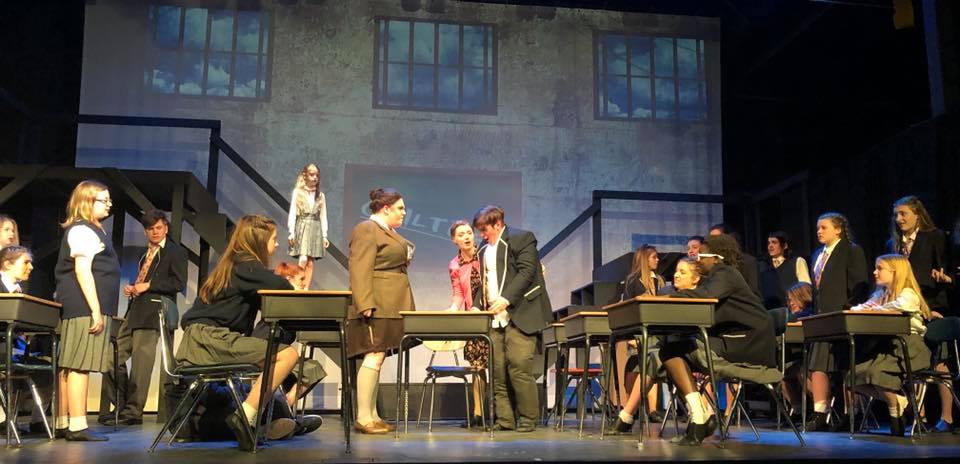
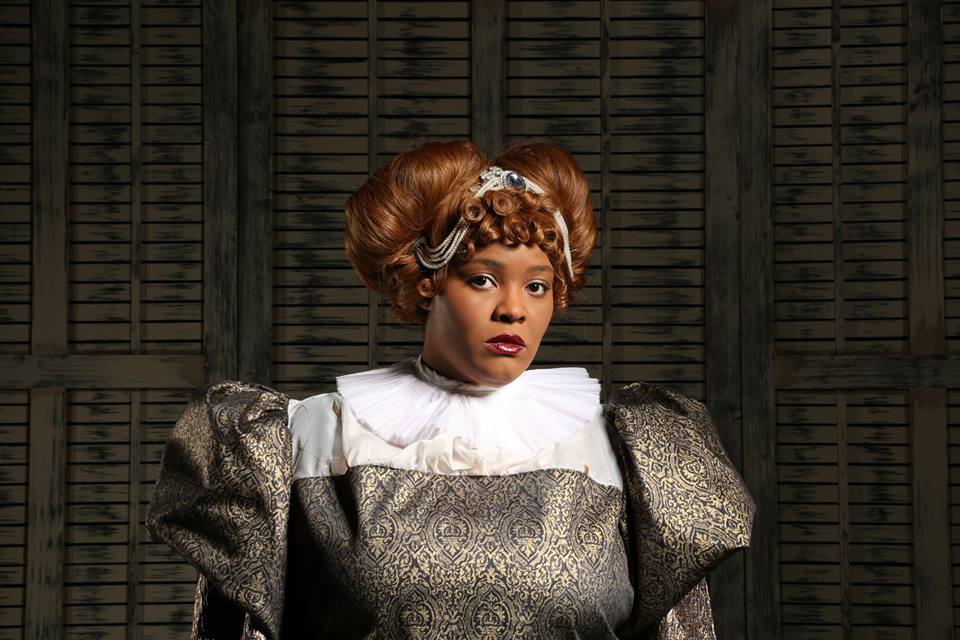 JHP: You’re playing Queen Elizabeth 1, so tell me…is it really true what they say? IS it good to be the Queen?
 JHP: In Shakespeare’s time, it wasn’t unusual for male actors to portray female roles. In a bit of a gender flip, as Viola de Lesseps, you spend part of your time on stage in disguise in male drag. While there’s a large element of comedy, in that the audience is in on the gag, how did you prepare for the duality of the role(s)?
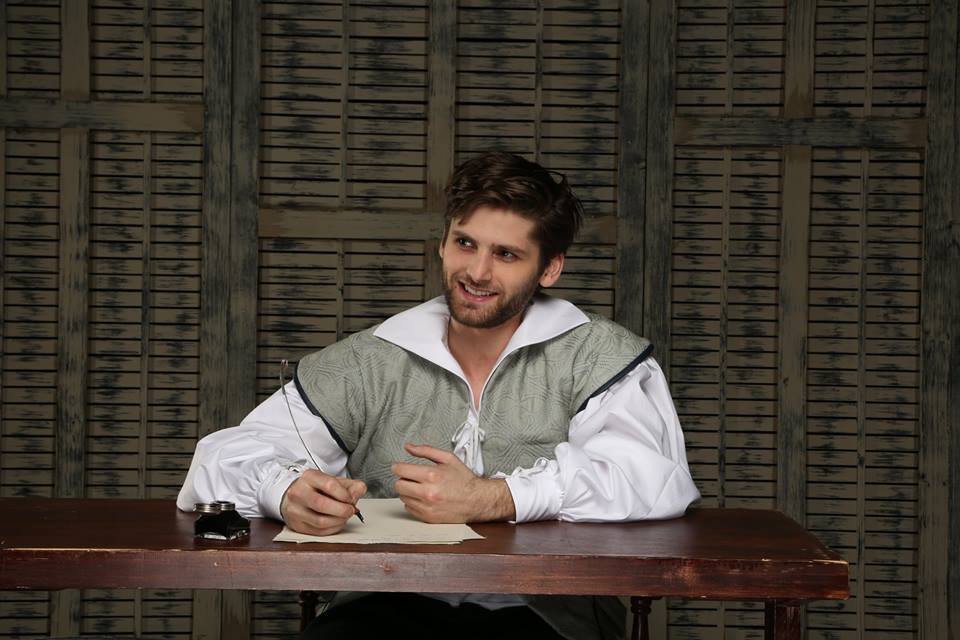 JHP: You’re playing Shakespeare opposite Cailen’s Viola. What’s the best aspect of having her as your leading lady?
 JHP: I understand you teach in the department of theatre and dance at Sewanee. How did being part of Nashville Rep’s Shakespeare in Love come about?
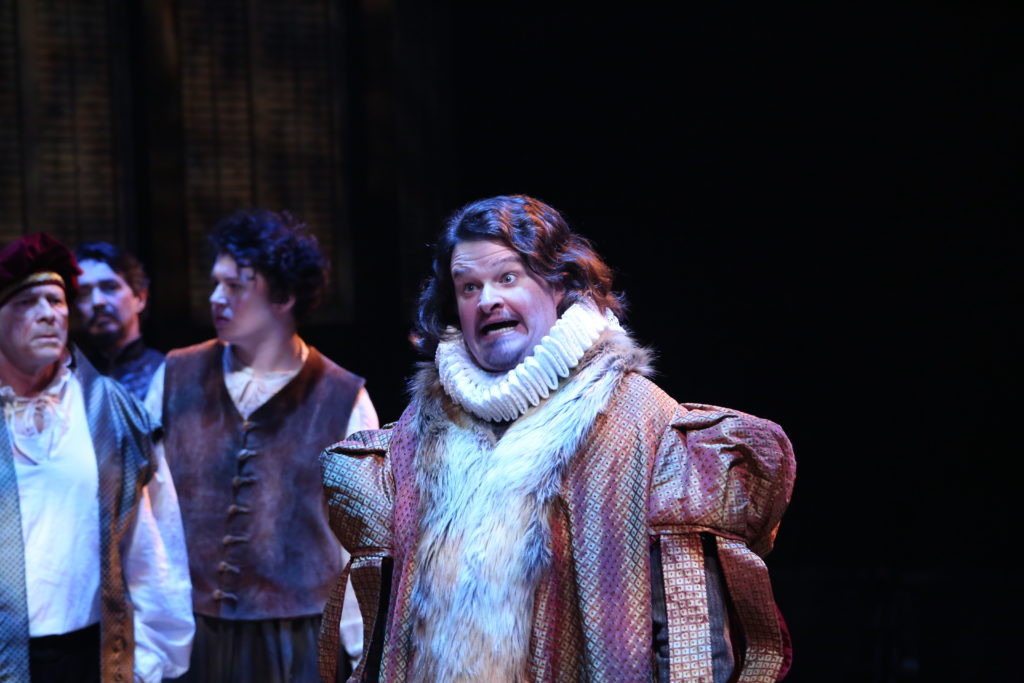 JHP: You’re playing Edmund Tilney, Master of the Revels. Am I dumbing it down to much to say he was the OG party planner?

 JHP: What’s your play about?
 JHP: You play Alan. How would you describe him?
 JHP: Tell me about Ida.
 JHP: Who is Abbie?
 JHP: You’re cast as Howard. What’s the best way to describe him?