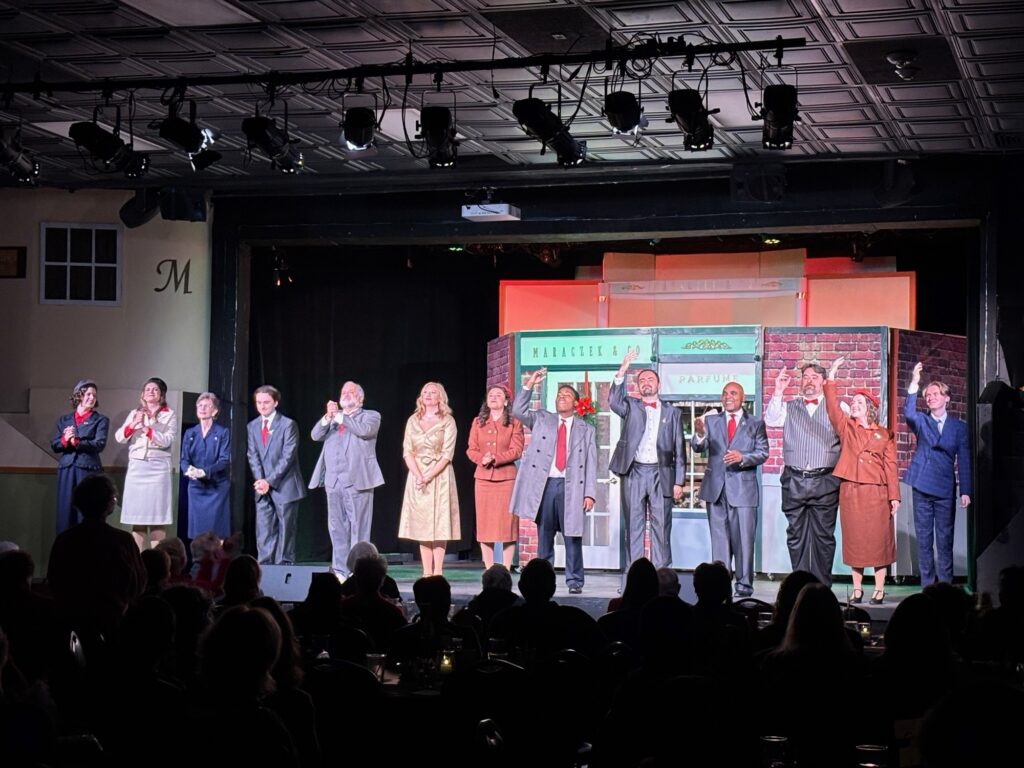
Romance, wit, and a dash of musical magic have drifted into Donelson as She Loves Me opened at The Keeton Dinner Theatre this past Thursday evening with the show continuing with Thursday thru Sunday shows until December 21. With its intimate space, casual dinner-theatre setting, and a cast obviously invested in the show’s nearly century-long legacy, The Keeton proves an ideal home for this sweet classic midcentury musical.
Based on Miklós László’s 1937 play Parfumerie—the source material for later films, The Shop Around the Corner, In the Good Old Summertime, and, spiritually, You’ve Got Mail—She Loves Me remains one of musical theatre’s most charming “quiet classics.” Its central “enemies-to-lovers through anonymous letters” premise still sparkles, especially when placed in the hands of performers who understand just how human, funny, and tender these characters truly are.
 While Jimmy Stewart’s Alfred from 1940’s The Shop Around the Corner presented the male counterpart of the story as a bit of a prickly nay-sayer, the musical adaptation’s male lead Georg Now, played in The Keeton’s She Loves Me by Jayden Murphy, who was last seen on The Keeton stage as Coalhouse in Ragtime, once again brings a youthful warm and layered and hopeful presence beneath the character’s famously cantankerous exterior. When we chatted with Murphy for our recent Rapid Fire 20Q, he admitted to being a bit of a “hopeless romantic” much like Georg. On stage Murphy channels that vulnerability to sweet success in the bittersweet Tonight at Eight and especially in the show’s title tune, She Loves Me. His smoothly rich voice—flexible, grounded, and carefully guided under Music Director Roger Hutson—honors the show’s more classical, operetta-leaning score while still feeling contemporary and honest. Murphy’s understanding of the show’s history is in full view throughout: this is a Georg who feels fully lived-in, not mimicked from past productions.
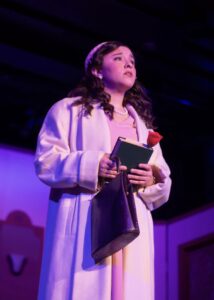 As Amalia Balash, Jiana Kevilus is radiant—sharp-tongued in the workplace to comedic delight when pitted again Georg one moment and achingly vulnerable when speaking (or singing) of her unidentified letter-writing love the next. Her interpretation honors Amalia’s insecurities, especially those revealed in Will He Like Me?, while infusing her with modern emotional clarity. As anticipated, Kevilus’ Vanilla Ice Cream—approached as a pivotal moment where Amalia subconsciously begins to realize Georg’s true identity—bubbles with joy, confusion, and discovery. It is one of the highlights of the evening: vocally agile and acted with specificity. In an admirable way, Kevilus’ performance of the song put me in mind of Olivia Newton-John’s Hopelessly Devoted Grease moment.
The chemistry between Murphy and Kevilus is strong and believable. Their banter often borders on playful chaos.That ease pays off—this Amalia and Georg disagree ferociously, but they always feel tethered by something deeper, and the much-anticipated revelation of their true identities and mutual feelings all the more sweet because of it.
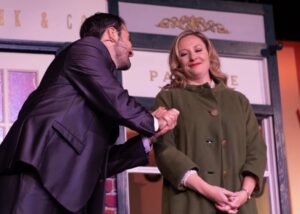 Kimberly Wolff, who seems to have become a full-fledge member of the Keeton company of frequently seen actors, is a standout as Ilona Ritter. Wolff gives the role the perfect blend of glamour, vulnerability, no-nonsense practicality and emotional intelligence. Her work in the number I Resolve is especially effective—Ilona’s attempt at independence is tinged with hope, frustration, and surprising strength.
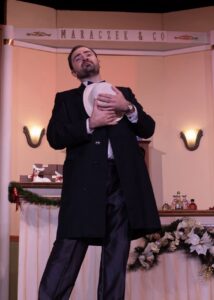 Her scenes with Tommy Anglim’s Kodaly are super-charged with electrically playful tension. Anglim’s Kodaly is smooth, sly, and charming in all the most infuriating ways. During their shared musical numbers—particularly Ilona, Anglim’s Kodaly delivers a somewhat bawdy, yet perfectly comedically timed riotous performance. Anglim’s delightfully narcissistic Kodaly and Wolff’s tough-but-tender Ilona feel like they walked straight out of a Golden Age film.
Director Morgan Robertson, making her directorial debut, does so with charm and an obvious admiration for the musical, having music directed a previous production across town. There are a few instances when blocking seems a bit awkward and clunky (sorry, but why are we seeing the backs of actors in scenes throughout?). The overall look and feel of the show is a success and the actors each seem to have been directed to make the characters their own in the most enjoyable way possible.
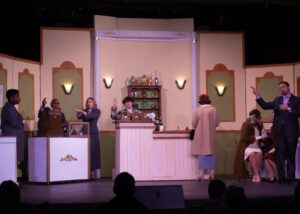 Once again, The Keeton’s in-house scenic designer, Kevin Driver delivers a triumph and his She Loves Me set should be one of the most-talked-about elements of the production. Inspired by the 2016 Tony-winning Broadway revival’s transformative shop design, Driver creates an only slightly scaled-down Maraczek’s Parfumerie that feels timeless, elegant, and tactile. The mobile units shift the space effortlessly, inviting the audience directly into the warmth of the 1930s Budapest shop.
Denese René Evans’ costumes reinforce that old-world charm—smart, flattering silhouettes and texture-rich fabrics that reflect class, profession, and personality without ever feeling like caricature. Loved the small detail of all the shop employees wearing an “M” initial lapel pin. If a couple suggestions could be offered…invest in a steamer to relieve a bit of static cling on those silk pjs and suspenders should take care of a few of the male performers’ pant legs dragging the floor.
Sound designer Steve Love and lighting designer Brooke Sanders work together to create seamless transitions between bustling shop scenes, intimate revelations, and the cozy glow of the story’s romantic scenes. Especially of note, following a particularly jarring event, flooding the interior of the shop with crimson light might have been my favorite lighting effect.
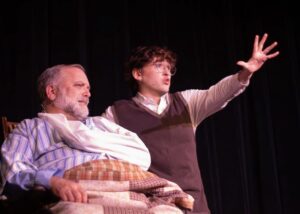 The supporting roles are filled with memorable performances. Brian Best, last seen as William Frawley in The Keeton’s Lucy Loves Desi, lends Mr. Maraczek gravitas and returns Best to the typical bravado roles for which he’s come to be known. His solo of Act 1’s Days Gone By and its Act 2 reprise are unexpectedly hauntingly touching. Sipos, a role often
 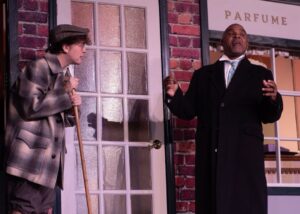 played as gentle and understated, in the hands of Victor Davis, creates a charmer with soulful presence and hilarious comedic timing. Making his Keeton debut, Samuel Boggs brings youthful earnestness to Arpad, his Try Me full of plucky determination. Boggs’ performances should be remembered as he’s definitely poised to be one to watch with a sure-fire future in Nashville’s theatre community.
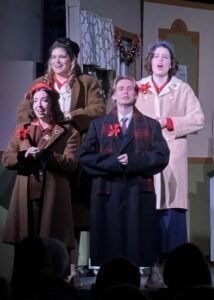 As for the rest of the cast, Brenda Brannon (always a personal favorite) is snooty perfection as the sever in the upscale restaurant where our two fated lovers attempt their first face-to-face, Rich Moses, and the ensemble—Chloe Beehm, Hazen Lawson, Kathleen McClanahan, and Amanda Noss—bring humor, color, and a bit of extra fun to each moment they touch. Again, particularly enjoyable is the restaurant scene, from the physical comedy to flirtation abounding.
All in all, She Loves Me is “cozy theatre.” It looks to present heart, honesty, and fun rather than spectacle—and The Keeton delivers all three. Robertson’s production is grounded in affection for the material, executed by a cast that understands the charm and underlying fragility of the story they’re telling. The result is a She Loves Me that feels warm, human, and full of light—exactly the kind of theatre Nashville audiences crave during the holiday season.
Ready to take a trip to Maraczek’s shop around the corner and check out the goods yourself? Dear Friend, you’re in for a treat as She Loves Me continues its run at The Keeton (108 Donelson Pike, Nashville, TN 37214) thru December 21 with evening diner and show performances Thursdays, Fridays and Saturdays and additional matinees Saturdays and Sundays. Tickets range from $35–$47. CLICK HERE to purchase before the run sells out, and visit thekeeton.org for more information.
In case you missed it, CLICK HERE to read my recent Rapid Fire 20Q with the director and four principal actors. So you don’t miss out on upcoming shows at The Keeton Dinner Theatre, follow them on Facebook, X and Instagram.
Interested in coverage for your latest entertaining endeavor? Click the contact page and drop me a note. You can also follow JHP Entertainment on Instagram and Facebook. In the meantime, #GoSeeTheShow!
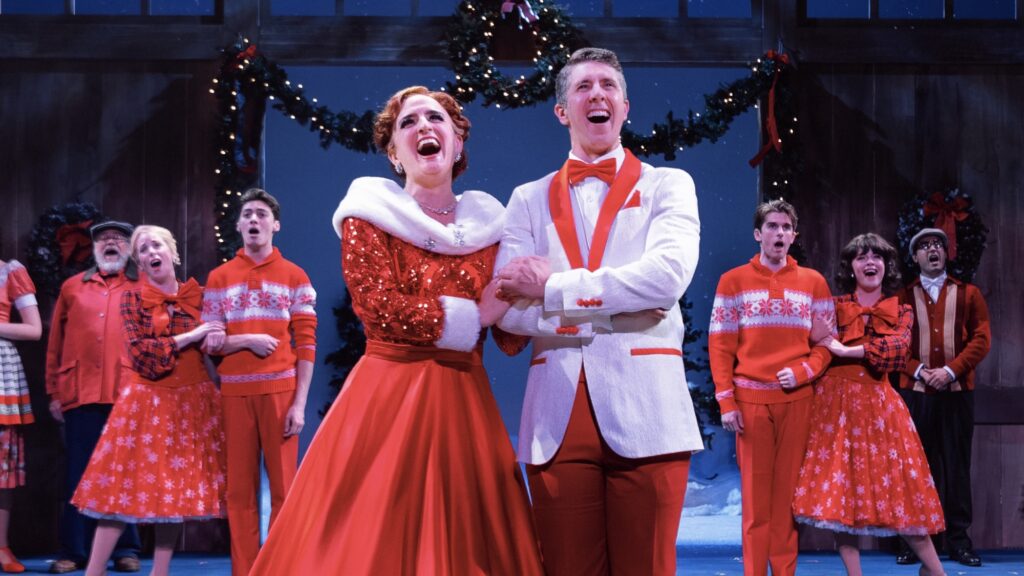
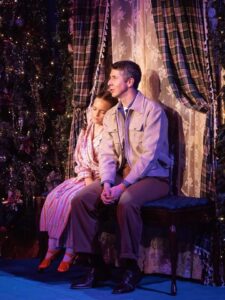 Ben Laxton, as the steady, dry-witted Bob Wallace, anchors the show with clean vocals and a grounded charm that never attempts to mimic Bing Crosby, but instead finds a sincerity and warmth all his own. His rendition of Count Your Blessings Instead of Sheep lands with a quiet power—simple, heartfelt, and beautifully sung.
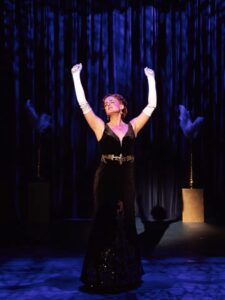 Laxton pairs especially well with Lisa Karlin’s Betty Haynes, whose rich, velvety alto brings a classic, old-Hollywood elegance to every number she touches. Her Love, You Didn’t Do Right By Me—a personal favorite moment of mine—was delivered with haunting restraint, channeling Rosemary Clooney without imitation and earning one of the night’s strongest responses.
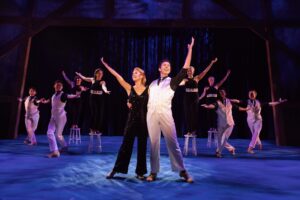 On the other side of the romantic coin, Jeremy Benton and Elizabeth McGuire ignite the stage as Phil Davis and Judy Haynes. Benton, not stranger to area theatre audiences, was last seen in Nashville as Bert in Nashville Rep‘s 2022 production of Mary Poppins, is also no stranger to the role, having performed in the National Tour of White Christmas and incredible 7 seasons. Speaking of previous connections to the show, Benton’s on-stage love interest McGuire, who’s making her Studio Tenn debut in the show, has previously appeared in two regional productions of White Christmas. Not only do they match the flirtatious comedic energy required of the roles, they also jointly co-choreographed the production—an ambitious undertaking given the show’s dance vocabulary is steeped in the iconic work of Randy Skinner. The result? Pure joy. Their The Best Things Happen While You’re Dancing is dreamlike and precise, but it’s the Act II taptastic extravaganza I Love a Piano that stops the show cold…or should I say Hot! Benton’s dancerly ease and McGuire’s crisp, buoyant tapping create the kind of musical-theatre electricity audiences hope for in December. They honor Skinner’s lineage while injecting fresh life into every step.
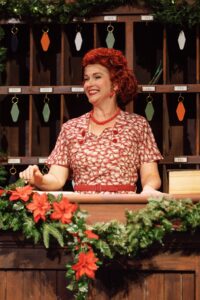 In comedic and heartwarming supporting turns, Megan Murphy Chambers (Martha) once again proves she can steal an act with one number. Her Let Me Sing and I’m Happy blends powerhouse vocals with effortless comedic bite—she lands every quip, every side-eye, and every belted high note with the precision of a seasoned pro. Belting lyrics like “if my song can start you laughin’/can start you cryin'”with humor and heart, rest assured MMC can and does! Chambers is a jewel in the crown of area theatre folk. She’s an entertainer’s entertainer. Equally at ease whether tasked with comedy or sincerity. Her scenes with Curtis Denham‘s General Waverly check all the marks perfectly hitting the highs of broad comedy and the more subtle genuine moments between two longtime friends. Speaking of, Curtis Denham brings a grounded gravitas to General Waverly, avoiding caricature and instead offering a touching
 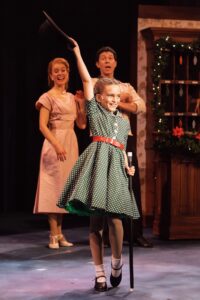 portrait of a leader rediscovering purpose. Rounding out the primary cast is young Frankie Lou Lauderdale, who simply charms instantly as Susan (Preslee Siebert also plays Susan at some performances). Lauderdale delivers the pint-sized earnestness gives the storyline its heart. I’ve always found it interesting that in the original film, Susan is General Waverly’s adult granddaughter, but for the stage adaptation, Susan is presented as a young girl. I does indeed add a more family-oriented dynamic and Lauderdale’s Susan provides the right amount of youthful sweetness combined with moxie, as proven in her cheer-inducing ambitious rendition of Let Me Sing and I’m Happy.
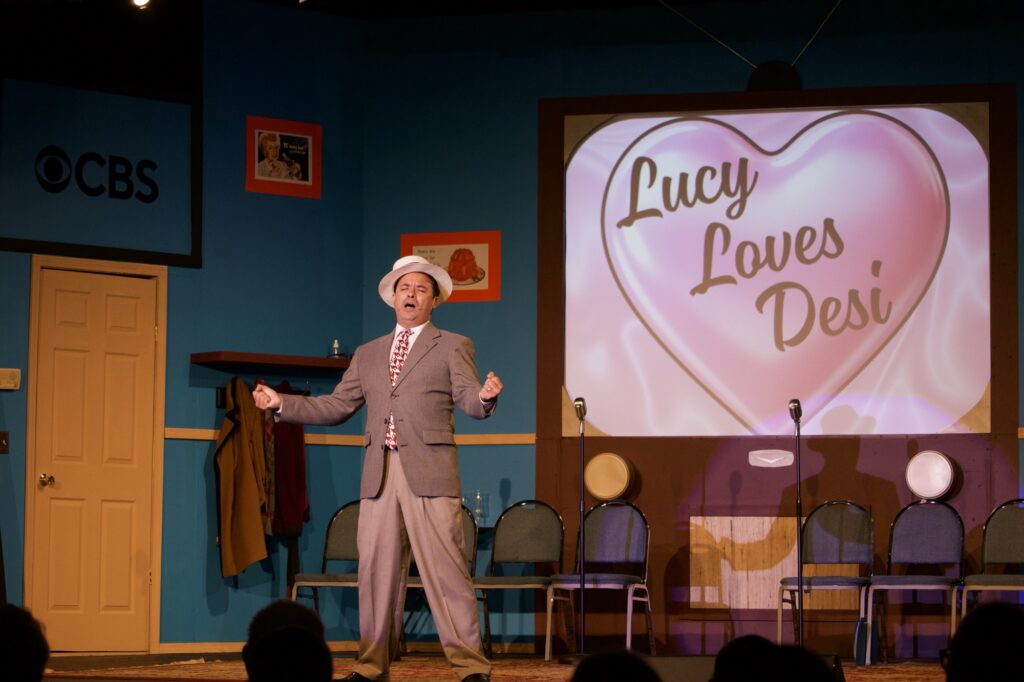
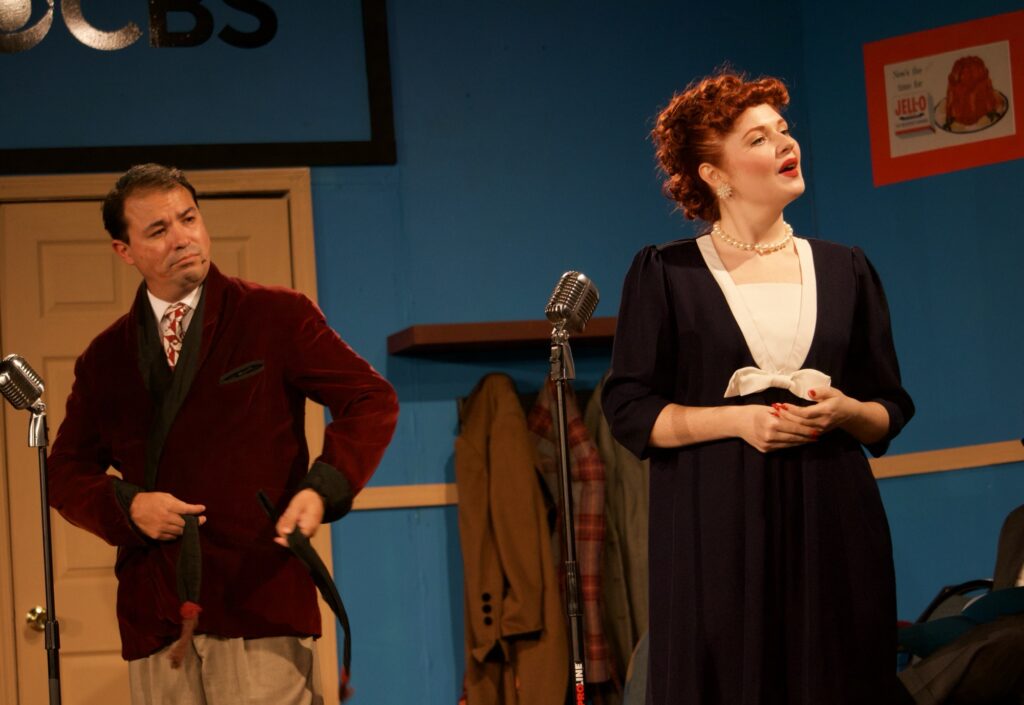
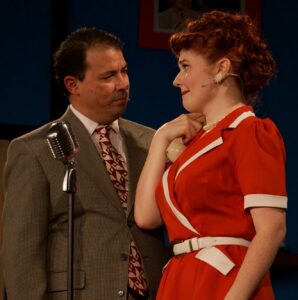
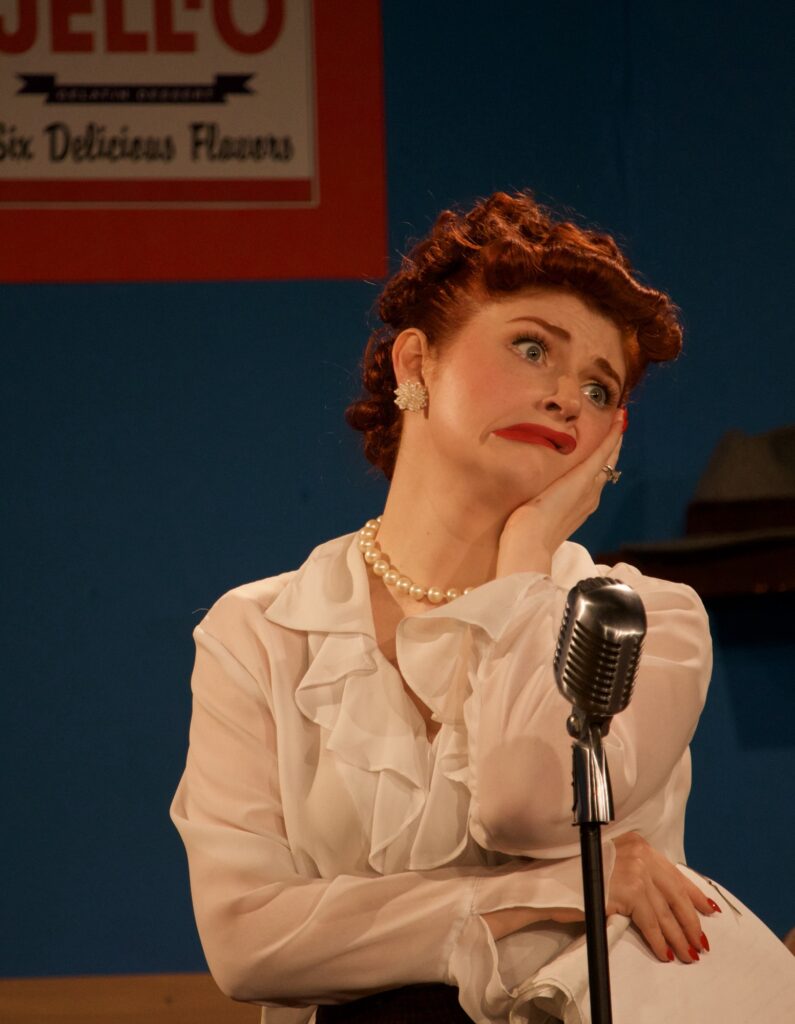 While none of the cast truly look like their real-life counterparts, it’s not an impersonator show in Las Vegas, after all, Grace Gaddy’s Lucille Ball is, when all is said and done, a loving tribute to the iconic comedian. From her expressive eyes and impeccable comic timing to the way she embodies Lucy’s signature blend of glamour and goofiness, Gaddy gives a performance that’s joyously alive. Her physicality and facial expressions elicit hearty laughter while paying true homage to one of television’s greatest icons. My only hesitation in a giving Gaddy’s Lucilly Ball a full five star review rests on the fact that Gaddy’s choice of voice isn’t quite there. Yes, Lucille Ball’s real-life voice was quite different from her quicker, higher-pitched Lucy Ricardo voice, but Gaddy, try as she may, never quite hits the mark vocally. Of course the average Keeton audience member will easily overlook this because of Gaddy’s otherwise full-force embodiment of the iconic comedic actress. It should be noted that Gaddy’s Lucy is at her best not only when recreating a few classic I Love Lucy moments–her lip-smacking, face-pulling expressions during a quick look at Vitameatavegamin is indeed near-perfection–but also during scenes that show the rarer more vulnerable moment of the woman behind the legendary laughs.
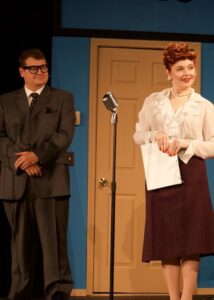 Even though he plays the man upon whose book this play is based, Michael Welch has the benefit of playing someone most people have never seen and whose physical appearance isn’t as easily recognized as the four stars of the groundbreaking sitcom. That anonymity works to Welch’s advantage as he simply shines as Jess Oppenheimer, serving as the grounding force amid the behind-the-scenes chaos. His balance of humor and sincerity keeps the story engaging and human. His scenes between Gaddy’s Lucy and Rainwater’s Desi truly exemplify Oppenheimer’s role as both close friend and trusted collaborator in the creating of one of the world’s most beloved sitcoms.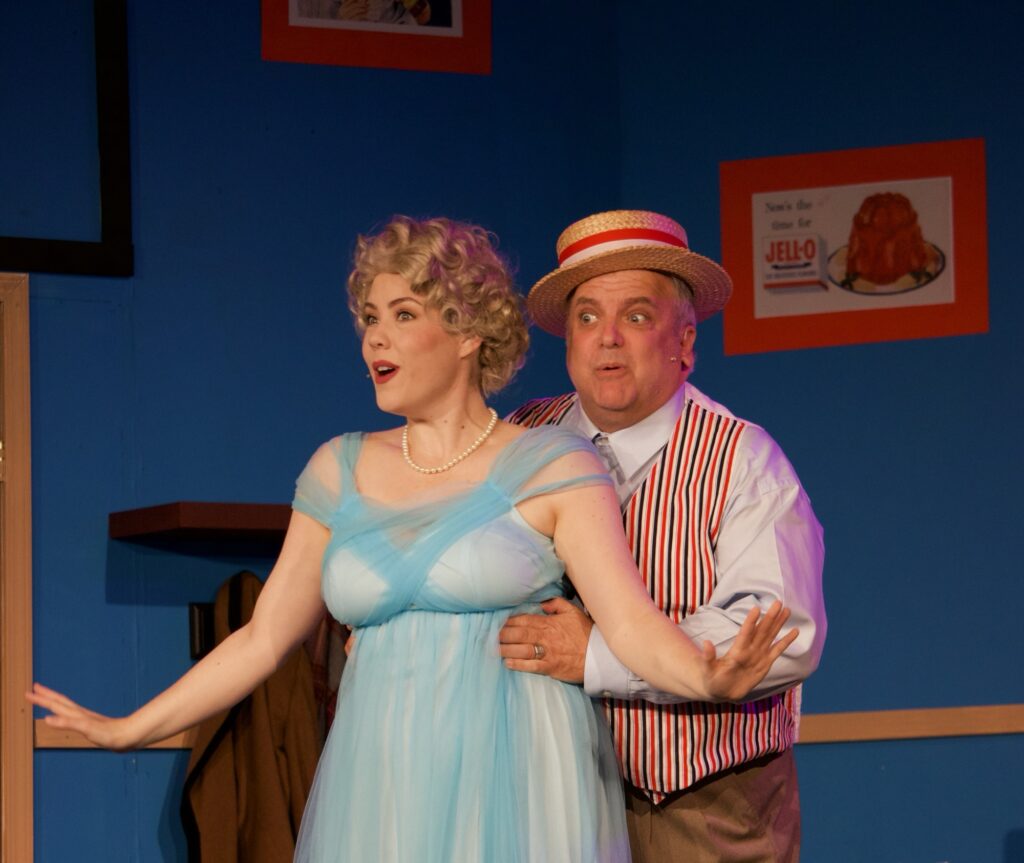
 Musically, this expanded version of the show delights with nostalgic selections that evoke memories of classic I Love Lucy episodes, including I’ll See You in C-U-B-A, Friendship, California Here I Come, and the beloved I Love Lucy theme song, complete with a bit of a did you know who wrote it spoiler and Rainwater and Gaddy singing the rarely heard lyrics. Enhancing the musical score throughout, frequent Keeton musical director Roger Hutson’s piano recordings add a lighthearted, era-appropriate touch, while Steve Love’s sound design, Brooke Sanders’ lighting, wig design by Alison Gaddy (loosen up those wigs so they look more natural and like the real-life ladies they’re styled after) and Denese René Evans’ costumes work in harmony to transport the audience straight to midcentury Hollywood. Evans’ costumes throughout are quite fun and seemingly period authentic, I do wish that Lucille’s Emmy dress was accurate, through…again, I’m just being an overzealous Lucy fan.
 In spite of my above-reference initial hesitations and a strangely tepid Opening Night audience (Note: it’s ok to laugh out loud and to applaud after a particularly entertaining scene) and what could probably be chalked up to first night jitters from the cast resulting in the majority of Act 1’s delivery being a tad flat with several lines coming across as monotone with not real inflection and somewhat memorized, rather than convincingly felt and delivered with punch, those initial hesitations faded once the cast found their groove.
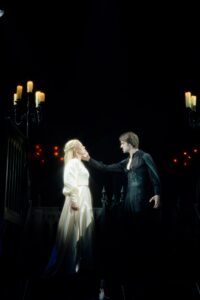 Jay Sullivan is chilling as Count Dracula. He doesn’t simply linger
 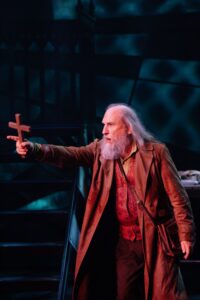 Opposite him, Sullivan’s performances is beautifully balanced by Brian Webb Russell who gives a gravely controlled performance as Abram Van Helsing, anchoring the heroic opposition with clarity of intent and moral weight. Russell’s Van Helsing offers the perfect amount of sharp intellect and righteous urgency. His verbal sparring with Sullivan’s Dracula are electric—two forces circling each other in a battle of will and belief.
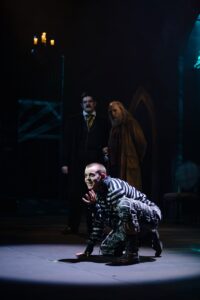 The trio of Lane Adam Williamson’s Renfield, DéYonté Jenkins’ Norbert Briggs and Catherine Gray’s Margaret Sullivan are tasked with carrying a bit of dark humor that helps temper the heavy suspense.
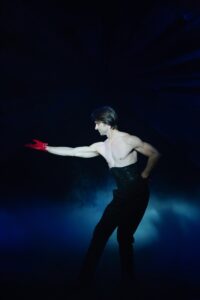 Then there’s Logan’s costumes. Every costume a work of art. The female cast members regal and radiant in finery fitting the period of the action. Van Helsing’s leather wardrobe, perfectly fitting for battle. Renfield’s asylum attire tattered and torn, but with a hit of glamour by way of some blinged-out blood spots. But it’s Dracula’s wardrobe that is truly glamorous and entrancing. From his first appearance bare-chested, but corseted in black to a black jacket accented with blood-red beaded erratic epaulets when he returns from a mysterious night right. (Gotta love that this particular look gets no mention within the context of the play, but is a jarring visual clue to the most astute audience member). The beauty of that costume not without merit, my personal favorite is yet another black jacket and pants combination. The jacket, from one side appears nothing special as the hem hits just below the actor’s waist, but from front view, its asymmetrical as the other side is more the length of a morning coat. Perhaps another visual clue of the duality of the wearer? Just when you think Logan’s used up his bag of costume tricks, in the final scene Dracula appears the most sparkly transfixing figure yet, but I’ll let you experience that on your own.
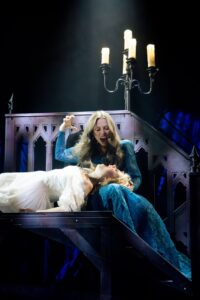 What impresses most about this DRACULA is how it leans into its horror while refusing sentimentality. McNulty’s choice to portray Dracula as predator (not tortured romantic) is honored here. That clarity gives other elements room to breathe: the trauma of Lucy’s affliction, Mina’s struggle with memory and agency, Van Helsing’s moral burden, Seward’s scientific disbelief challenged by the impossible.
 RAPID FIRE WITH THE LARAMIE PROJECT CAST MEMBER CIARA BLOSSER
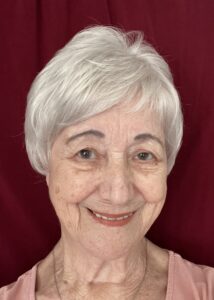 RAPID FIRE WITH THE LARAMIE PROJECT CAST MEMBER GINNY DORRINGTON
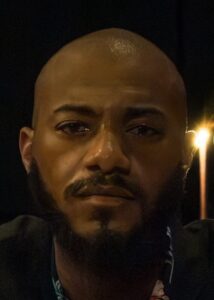 RAPID FIRE WITH THE LARAMIE PROJECT CAST MEMBER, JOSEPH HORTON
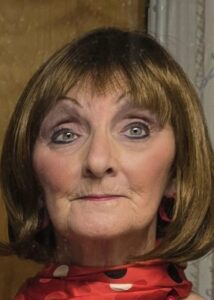 RAPID FIRE WITH THE LARAMIE PROJECT CAST MEMBER KATHERINE ANDERSON TUTTLE
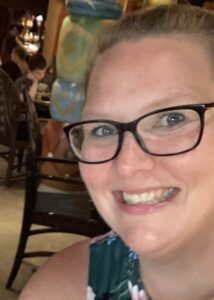 RAPID FIRE WITH THE LARAMIE PROJECT DIRECTOR, SIOBHAN BREWER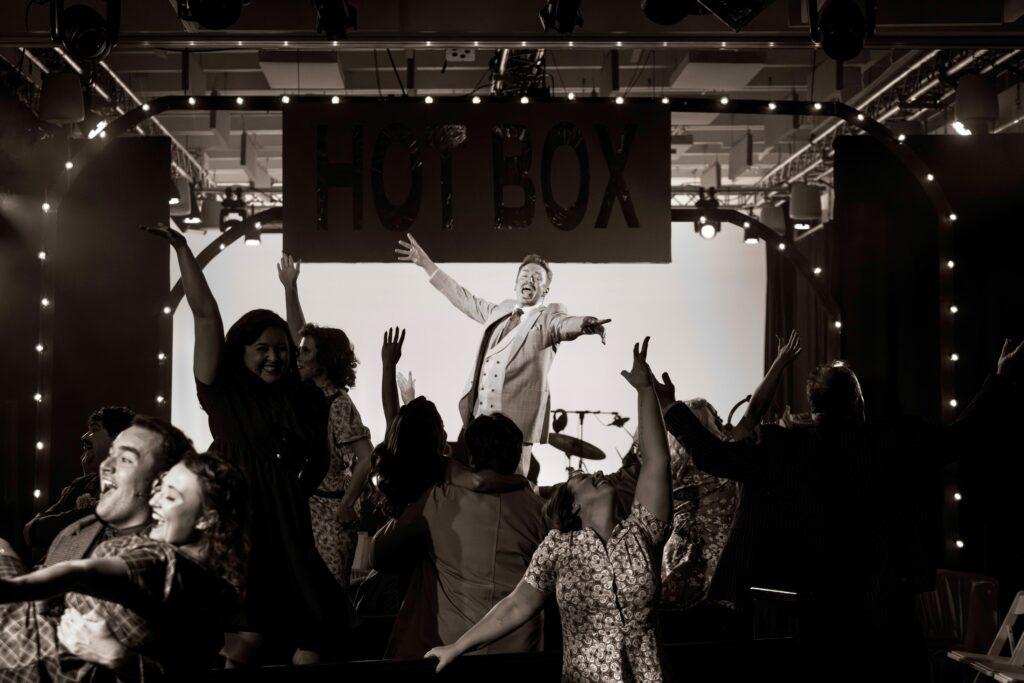
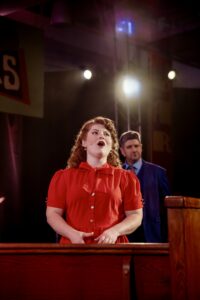 At the center of the action is Philip David Black as the suave, gambling man Sky Masterson. Black brings the expected effortless charisma mixed with the perfect blend of uncertainty that only unforseen love can cause. His Luck Be A Lady is smooth and sweet, showcasing his ability to walk the line between rogue and romantic with ease. His chemistry with Rebekah Howell’s Sarah Brown is electric, especially in the Havana sequence where sparks (and drinks) fly. Howell, ever the vocal powerhouse, lends depth and sincerity to the morally upright mission worker. Her rendition of If I Were a Bell, a charm-filled Act 1 highlight.
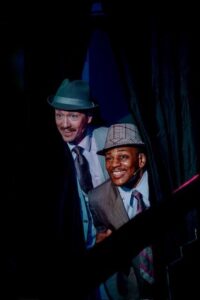 It comes as no surprise that Brian Charles Rooney’s Nicely-Nicely Johnson is a true showstopper. With impeccable comic timing and a dynamite voice–gotta love that sopranista range–Rooney brings down the house in the rollicking Sit Down, You’re Rockin’ the Boat—arguably the night’s most rousing number. He’s well matched by Jahi Emaud’s Benny Southstreet, whose swagger and harmony work are equally sharp. If you’re reading this, Studio Tenn, I’ve got your Wallace and Davis cast for your upcoming holiday production of White Christmas right here with these two!
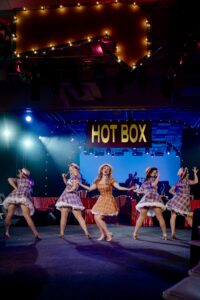 The Hot Box numbers are just plain fun, led with style and precision by Kelsey Brodeur (also serving as dance captain), alongside the effervescent Madison Crosby, Emily Stephens, and Allie Spengler. Their ensemble work perfectly sizzles thanks to playful choreography courtesy Allison Little, who keeps the movement crisp and era-appropriate while still leaving room for individual character. With Stein’s Adelaide, the Hot Box Girls’ performance of A Bushel and a Peck (one of my personal favorite Doris Day tunes, recorded the year the Broadway musical debuted) wonderfully presents the flitatious innocence of such numbers from that era.
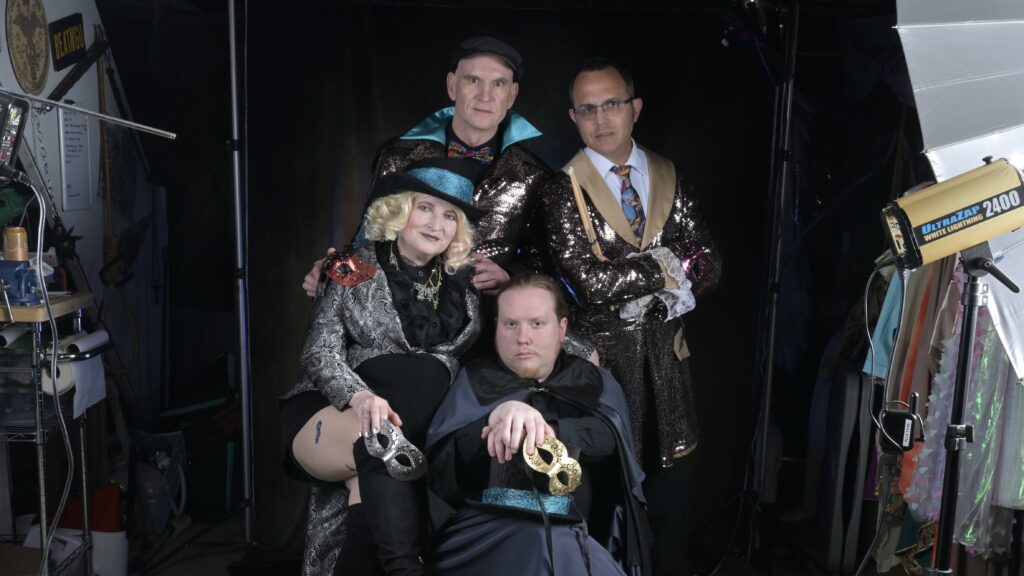
 RAPID FIRE WITH BUCKET LIST INSPIRATIONS FOUNDER, CAT EBERWINE
 RAPID FIRE WITH NEUROSPICY PLAYERS’ WILL LASLEY
 RAPID FIRE WITH NEUROSPICY PLAYERS’ Dan Kassis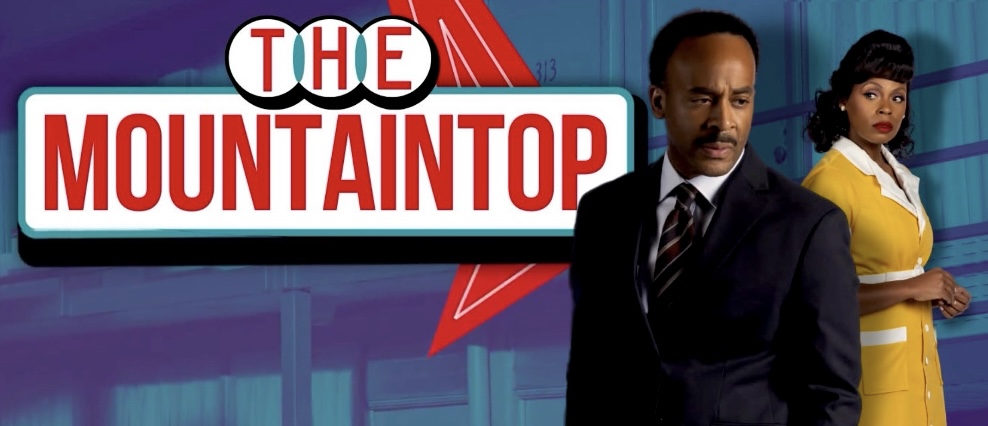

 RAPID FIRE Q&A WITH TAMIKO ROBINSON STEELE, CAMAE IN NASHVILLE REP’s THE MOUNTAINTOP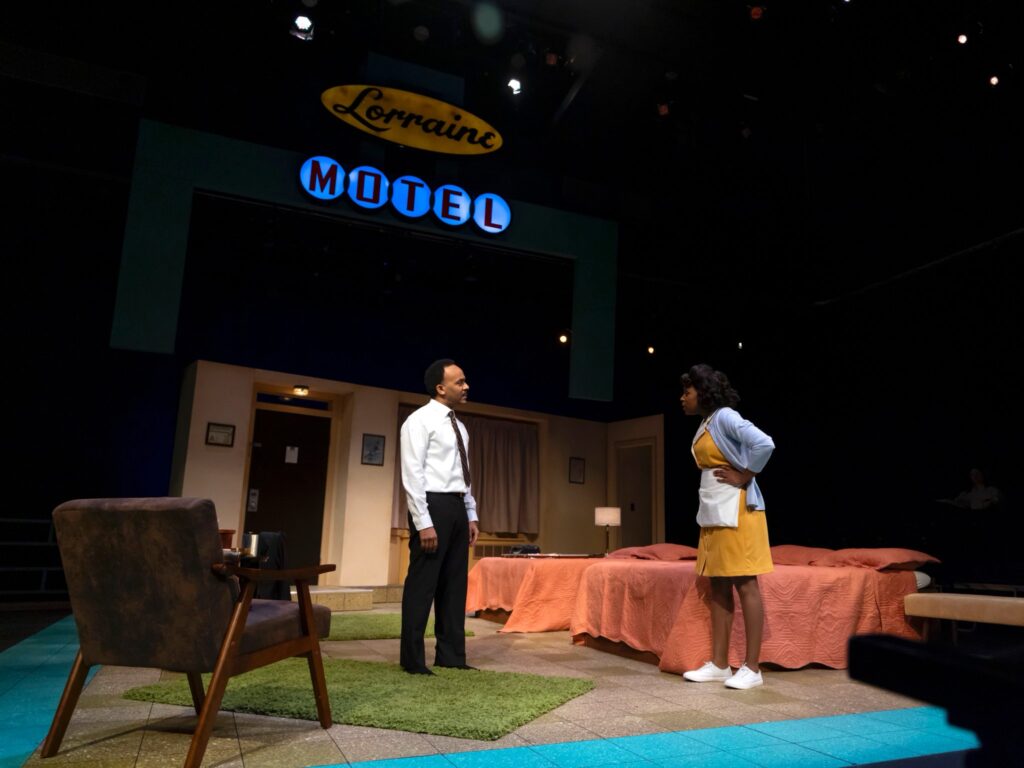
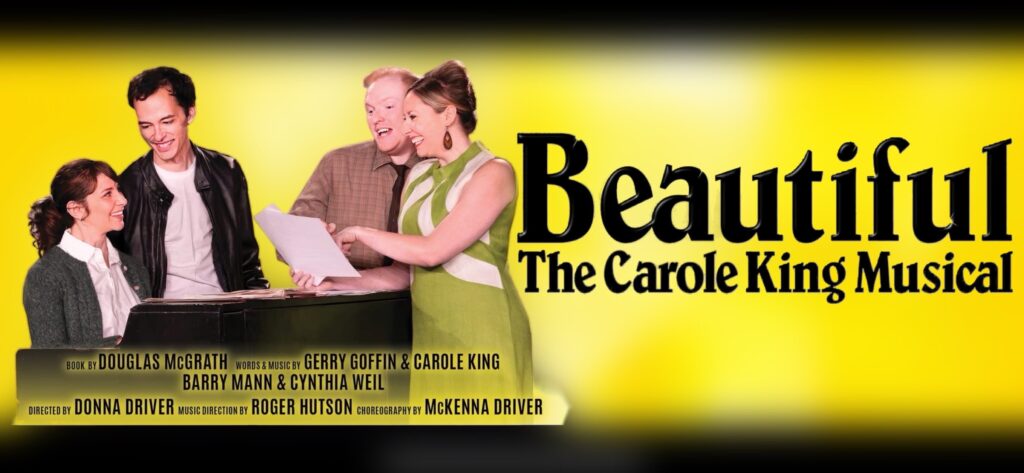
 RAPID FIRE WITH KIMBERLY WOLFF, WHO PLAYS CYNTHIA WEIL IN BEAUTIFUL
 RAPID FIRE WITH JACOB ARMSTRONG, APPEARING AS BARRY MANN IN BEAUTIFUL
  RAPID FIRE WITH BEAUTIFUL’s GERRY GOFFIN ACTOR, DYLAN KIM
 RAPID FIRE WITH BEAUTIFUL STAR, LAYLA FRANKEL