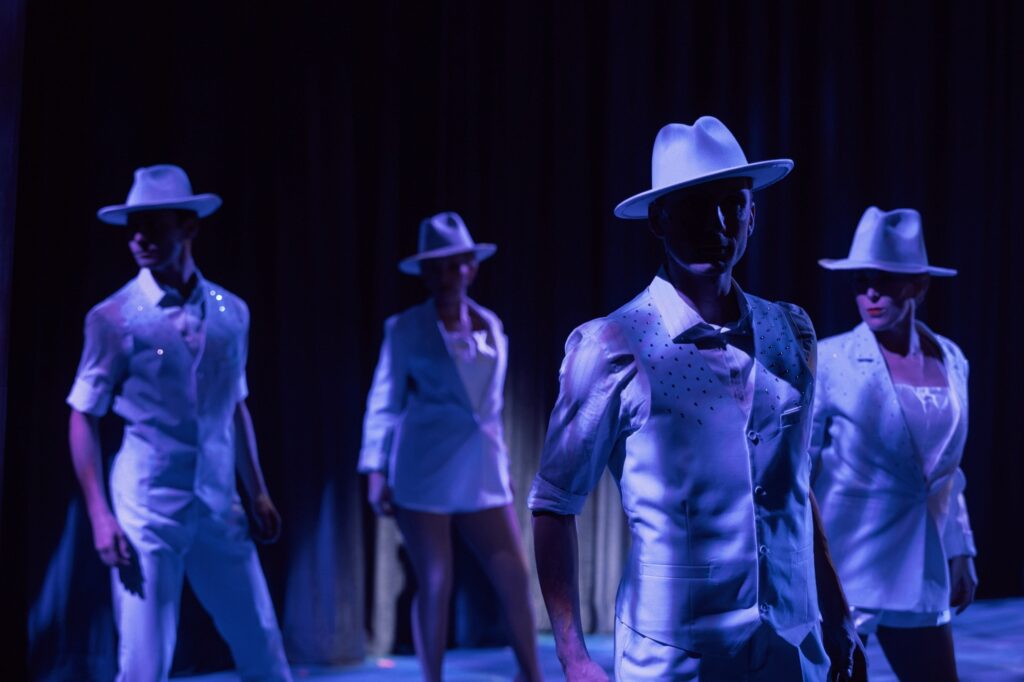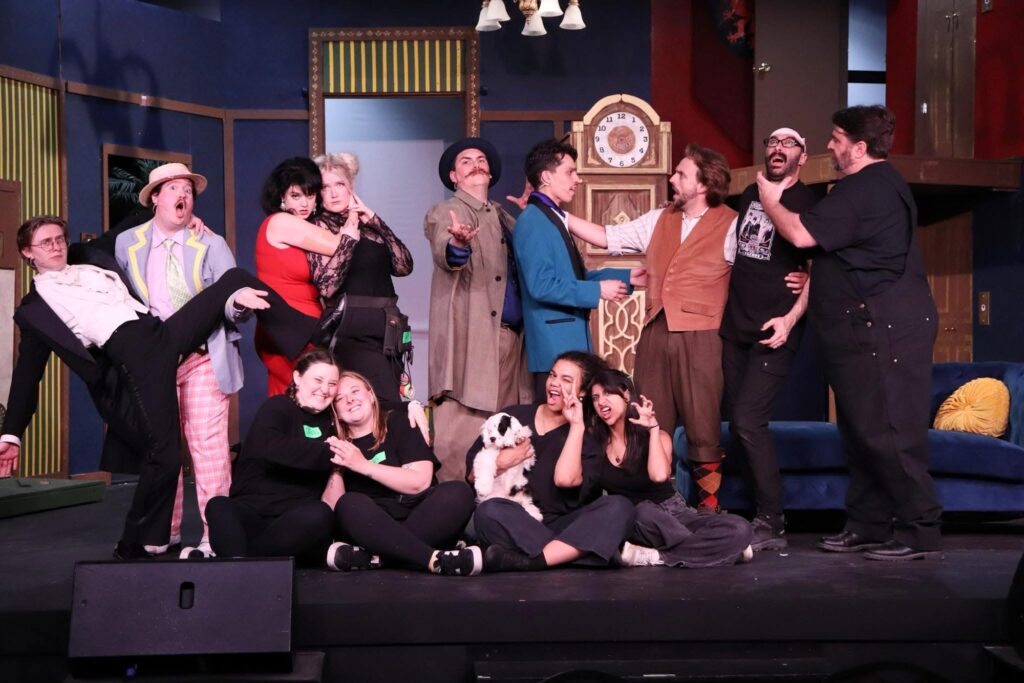
Imagine if British comedy icons French and Saunders or The Mighty Boosh decided to mount an Agatha Christie Hercule Poirot mystery…There, now you’ve got the basic vibe of The Keeton’s latest offering. The Play That Goes Wrong, a madcap mishap of a show-within-a-show similar in theme to Noises Off–in that the audience witness the backstage antics of a fictitious theatre troupe while simultaneously trying to follow the storyline of their attempt to put on a classic murder mystery–The Keeton‘s production of The Play That Goes Wrong is wrapping it’s three week run with shows through Sunday, April 26. As directed by Erin-Grace Bailey, The Play that Goes Wrong is the kind of gleefully unhinged farce that practically dares its audience not to laugh—and then steamrolls them anyway. This production leans hard (sometimes a little too hard) into the chaos but ultimately comes out the other side with a win…even if everything onstage most certainly does not.
The premise is simple: the Cornley Polytechnic Drama Society is attempting to present a very serious murder mystery, The Murder at Haversham Manor. The reality? Nothing works. Props go missing, lines are butchered, actors drop like flies (sometimes literally), and the set itself seems to have taken out a personal vendetta against the cast. And yet, somehow, it all clicks with clockwork precision.
From the moment you step into the theatre, it’s clear this isn’t your standard night of community theatre. Pre-show antics spill into the house, there’s mention of a missing dog, a raffle that no one seems to know anything about, “tech issues” are already in full swing, and the fourth wall is less of a wall and more of a polite suggestion. It’s immersive…whether you asked for that or not.
Now, I’ll be honest, having seen the National Tour back in 2018, and two more recent regional productions including last year’s Clarence Brown Theatre mounting, I am a huge fan of this work—so, when I first heard The Keeton was tackling The Play That Goes Wrong, I raised a somewhat doubting eyebrow. This is a show that, by design, demands a lot from a technical standpoint. It’s big, it’s intricate, and it requires a set that doesn’t just exist, but actively participates in the chaos. In a more intimate space like The Keeton, it’s fair to wonder if that kind of controlled destruction might be a bit…ambitious. And yet, credit where it’s due: this team doesn’t just meet the challenge—they lean into it with gusto. The result is a production that feels just as delightfully unstable as it should, without ever actually losing control.
 Leading this beautifully doomed endeavor is Joshua Mertz as Chris, the director/star/producer/everything-else of the show-within-the-show. Mertz plays Chris with just the right mix of puffed-up authority and slow-burn panic. As The Inspector within the mystery, watching him try to maintain control as things unravel faster than a cheap sweater is half the fun—and when he finally snaps, it’s worth the wait. Mertz, in his sixth show at The Keeton is proving himself to be a valuable asset the the company.
 Aaron Gray’s Robert is the kind of community theatre actor who clearly believes he’s performing in Masterpiece Theatre, even as the world collapses around him. The fact that Gray is in or involved with nearly every Keeton production somehow added a if you know you know aspect to his role as Robert. As Thomas Collymoore, his dead-serious commitment in the face of utter nonsense makes every moment land harder, especially as the physical comedy ramps up and refuses to let him off easy. Kudos to his library scene. While the Keeton stage area does limit the intensity of the prospect of the second floor of the set completely collapsing, Gray’s physicality while keeping himself and all the props around his from falling away as the floor beneath him gives way, is gasping, belly-laughing joy to behold.
Hazen Lawson’s Dennis Tyde meanwhile, is a walking (and frequently stumbling) disaster in the best possible way as the newbie of the theatre troupe within the show tasked with playing the typically forgettable role of Perkins the butler within the mystery. With lines written on his forearm and a completely naturally nervous nature, Lawson delivers line flubs and verbal gymnastics with such earnest confusion you almost feel bad for laughing…almost. His constant mispronunciation of such words as cyanide, ominous and morose quickly becomes a running gag.
 Keeton newcomer, Connor Boggs is tasked with the key role of Max. Initially cast in another role, Boggs stepped into the role of Max after the original actor had to drop out of the show. As Max and his mystery counterpart, Cecil, he figures out very early on that subtlety is overrated. Within the supposed seriousness of the murder mystery, for Cecil, once he gets a taste of audience laughter, it’s game over. He milks every moment for all it’s worth, turning even the smallest slip into a full-blown bit. That said, dressed in wardrobe that can only be described as a technicolor travesty—yes, the character is typically a bit of a dandy, but not quite so…flamboyant. Usually played as an overly confident community theatre actor with at least an initial modicum of subtlety, Bogg’s Cecil starts at 100mph and never slows down doing everything short of cartwheels from his stage entrance right on through to the final curtain. Under the direction of Bailey, Bogg’s Cecil is amped up and definitely played for laughs so much so that it runs the risk on a SNL skit that just doesn’t know when to stop. But still, within the craziness of this show, it somehow works.
Also making her Keeton debut, Leslie King’s Sandra Wilkinson brings a diva energy that feels both earned and hilariously misplaced given the circumstances. Her Florence Colleymoore is equal parts glamour and growing frustration, and King handles the show’s increasingly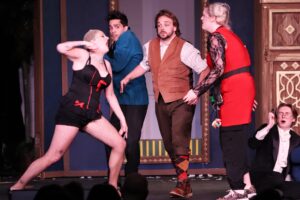 demanding physical comedy without ever dropping character. In one scene in particular, she’s pulled and flopped around by her cast mates as if her joins are made of bendy straws. Her physicality is slapstick at its best.
Bree Presson—yet another new face to Keeton audiences— as Annie, is an MVP for anyone who’s ever worked backstage and thought, “Well…this is fine,” while everything burned down around them. Presson’s journey from frazzled stage manager to unwilling leading lady—when the above-mentioned King’s Florence becomes incapacitated—is a comedic slow burn that pays off big in true Goes Wrong style the payoff somehow gets even bigger when she’s forced into the spotlight opposite King in two-divas, one role scene that quickly devolves into chaos squared.
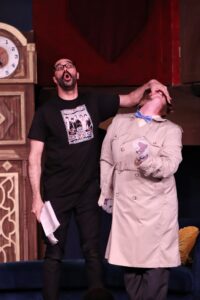 Wanderson Rezende’s Trevor Watson, stationed at the tech booth, proves that sometimes less is more. His distracted, couldn’t-care-less approach to running the show results in some of the night’s most perfectly timed “mistakes,” and when he’s finally dragged into the action, it’s awkward brilliance. And yes, Denese Rene’ Evans (the show’s costumer) I did indeed appreciate that Trevor is sporting a Duran Duran t-shirt!
And then there’s David Fonville as Jonathan (nice character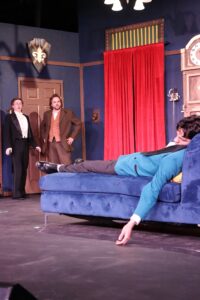 name, by the way), tasked with playing a corpse who…isn’t exactly great at the whole “lying still” thing. Fonville’s physical comedy—mistimed reactions, missed cues, and all—adds an extra layer of delightful absurdity to a role that could just be…well, dead.
Adding to the mayhem is the Tech Chorus—Hannah Blough, MaryGrace Brittain, Hazely Merkle-Sanderson, Rich Moses, Advika Ravishankar, and the above-mentioned Wanderson Rezende—all blur the line between backstage and onstage with impeccable timing. The mantle falls early on…no biggie, a stagehand dressed in black will just stand there with arms extended holding whatever props were supposed to rest on the mantle. Problem solved. Their presence reinforces the idea that in this production, literally no one is safe and the old adage that the show must go on is of utmost importance.
From a technical standpoint, this show is a masterclass in controlled chaos. Kevin Driver’s set design is essentially a ticking time bomb of comedic payoff, collapsing, malfunctioning, and misbehaving on cue. Was I a little let down that the telephone gag seems to have dropped the call, yes, but when an entire wall collapses around an actor, I was like “Damn, they did it!” Every sight gag is there, the patriarch portrait, the house intercom, the fainting grandfather clock—and all somehow carried off with precision and resulting uproarious laughter from the audience. In a space where something like this does feel a bit scaled down, Driver still finds ways to make every gag land with impact. Brooke Sanders’ lighting and Steve Love’s sound design are in on the joke at every turn.
Director Erin-Grace Bailey deserves serious credit for orchestrating what looks like total anarchy but is anything but. With Assistant Director Fiona Barrett and Stage Manager Alison Gaddy keeping the wheels (barely) on, the production hits its marks—even when it looks like it’s missing all of them.
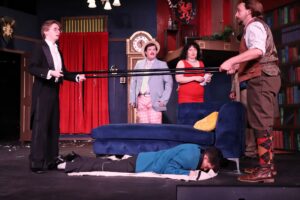 Bottom line, if you like your theatre polished, pristine, and predictable…this ain’t it. But if you’re in the mood to laugh until your face hurts while watching a cast absolutely commit to the bit—even as the set tries to take them out—The Play That Goes Wrong at The Keeton is exactly the kind of beautifully disastrous night out you’re looking for. Just don’t expect anything to go right, because…Where’s the fun in that?
The Keeton’s The Play That Goes Wrong wraps it’s three-week run with shows continuing now thru Sunday, April 26. The Keeton Theatre is located at 108 Donelson Pike, Nashville, TN 37214. Friday & Saturday Doors at 5:45pm/Dinner at 6pm and Show at 7pm. Sunday matinee Doors at 12:45pm/Meal at 1pm and Show at 2pm. Show Only Tickets: $32.00 (Thursday performances), Adult Dinner and Show: $42.00, Child Dinner and Show: $37.00. For a slight upcharge, Salmon can be chosen as the dinner entree. Group tickets receive a discount. Please call the Box Office at 615.883.8375 or CLICK HERE for tickets. In case you missed it, CLICK HERE to read my recent Rapid Fire 20Q with the show’s director and cast members.
Following The Play That Goes Wrong, on Tuesday, May 2 at 7pm, it’s time for The Keeton’s Annual Gala directed by The Keeton‘s own Donna Driver with musical direction by Jane Kelley. This year’s annual fundraiser for the theatre is themed: Role Reversal. Tickets to the gala are $60. Gala tickets include dinner, a chance to win some great prizes donated by supporters of the theatre and the opportunity to be among the first to purchase Season Tickets for The Keeton’s upcoming 2026-2027 Season. CLICK HERE to purchase gala tickets. So you don’t miss out on upcoming shows at The Keeton Dinner Theatre, follow them on Facebook, X and Instagram.
Interested in coverage for your latest entertaining endeavor? Click the contact page and drop me a note. You can also follow JHP Entertainment on Instagram and Facebook. In the meantime, #GoSeeTheShow!
 One notable change is the role of Sweet Sue, bandleader of the all-girl band that serves as the perfect hiding in plain site destination for our two unintentional leading men, or should I say leading ladies? Little more than a brief appearance in the source material, Ruffin and Lopez wisely fleshed out Sweet Sue and as played by DeQuina Moore, we’re glad they did. Moore’s Sweet Sue doesn’t just open the show—she detonates it. Her “What Are You Thirsty For?” lands with the kind of electrifying force she herself described in our recent
 Leandra Ellis-Gaston’s Sugar Kane arguably comes with the steepest climb. Not because of the technical demands—though those are certainly present—but because Marilyn Monroe’s original Sugar remains so indelibly iconic. Wisely, the creators of the stage adaptation “understood the assignment,” sidestepping imitation entirely. By reimagining Sugar as a strong-willed, career-driven woman of color, the role becomes instantly unshackled from direct comparison—and Ellis-Gaston runs with it. With a speaking voice that lands somewhere between The Color Purple’s Squeak and legendary chanteuse Lena Horne, her Sugar is equal parts vulnerability and resolve. Sweet? Absolutely. But never simple.
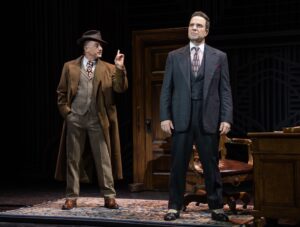 As G-man Mulligan, Matt Allen plays the essential “straight man” with surgical precision, anchoring the show’s more outlandish antics while quietly setting up some of its biggest payoffs. As he said in our recent Rapid Fire 20Q, that role is not only necessary but foundational in launching the show’s farcical momentum. And when he finally gets to dip into the madness—particularly in that delightfully ridiculous undercover sequence—it’s a payoff worth the wait.
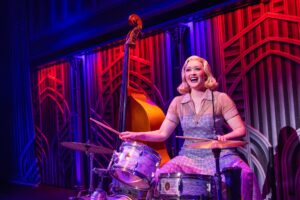 Minnie, Sweet Sue’s right-hand woman is revealed throughout as a bit of a sticky-fingered gal. One of the show’s running gags is her revelations of accidentally entering the wrong apartments thinking they were Sue’s and taking things that weren’t hers. To that end it makes perfect sense that Devon Hadsell’s Minnie is a scene-stealing delight, leaning fully into the character’s charming chaos and absconding with laughs each time she’s on the stage. There’s a lived-in sense of loyalty and mischief here, making Minnie far more than just comic relief. She’s an essential part of the heartbeat of the band. And that ever-present cigarette dangling from her ruby red lips, the kind of subtle sight gag that again perfectly pays homage to that 1930 prohibition-era Hollywood spirit. Side Note: When that Gregg Oppenheimer I Love Lucy play makes its way to Broadway, Hadsell has my vote for the Vivian Vance/Ethel Mertz role!
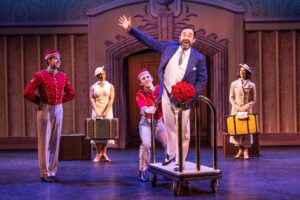 And then there’s Edward Juvier’s Osgood, who may just be the show’s most quietly radical reinvention. As he shared in our recent Rapid Fire 20Q, what drew him to the role was Osgood’s ability to lead with curiosity rather than judgment—and that ethos radiates throughout his performance. Where the film played him as the punchline, this version is in on the joke and, more importantly, in on the love. That shift—from caricature to fully realized romantic—becomes one of the production’s most meaningful evolutions.
 Then there’s Doc. David Josefsberg’s take on the eccentric inventor is where the show truly locks into place. Wonderfully unhinged in the best way, his Doc balances manic comedy with genuine heart. His early numbers are the turning point where the audience collectively leans in and says, “Okay, I’m in.” Josefsberg doesn’t imitate—he reinvents, while still honoring what makes Doc such an iconic character.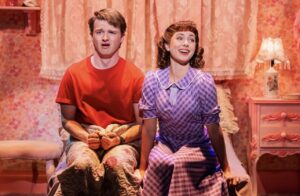
 And then there’s Cartreze Tucker as Goldie Wilson (and Marvin Berry), who nearly steals the entire show. From the moment he steps onstage, Tucker commands attention. His big number earns one of the largest audience responses of the night, and for good reason—his vocals are powerhouse-level, and his charisma is off the charts. It’s a star-making turn that injects an extra jolt of electricity into an already high-energy production.
 Visually, the production is stunning. The use of projections, layered with practical effects and good old-fashioned stage magic and some mind-blowing state-of-the-art new theatrical tricks, the effects become a character in its own right. Whether it’s the clock tower sequence or the time-travel effects, the technical execution is nothing short of jaw-dropping. It’s the kind of design work that reminds you how thrilling live theatre can be when all the elements are firing.
 Act Two does bring one of the more head-scratching moments in the show—a neon-soaked, new wave-inspired “21st Century” opening number featuring Doc and a troupe of backup dancers. It’s flashy and fun, but also feels a bit unnecessary and tonally out of sync with the rest of the piece. And on opening night in Nashville, it was followed by a rare hiccup: the hoverboard didn’t quite cooperate. Still, the moment was handled with total professionalism, and honestly, it was quickly forgiven given the sheer volume of technical wizardry the show gets right. Because when it works—and it mostly does—it really works.
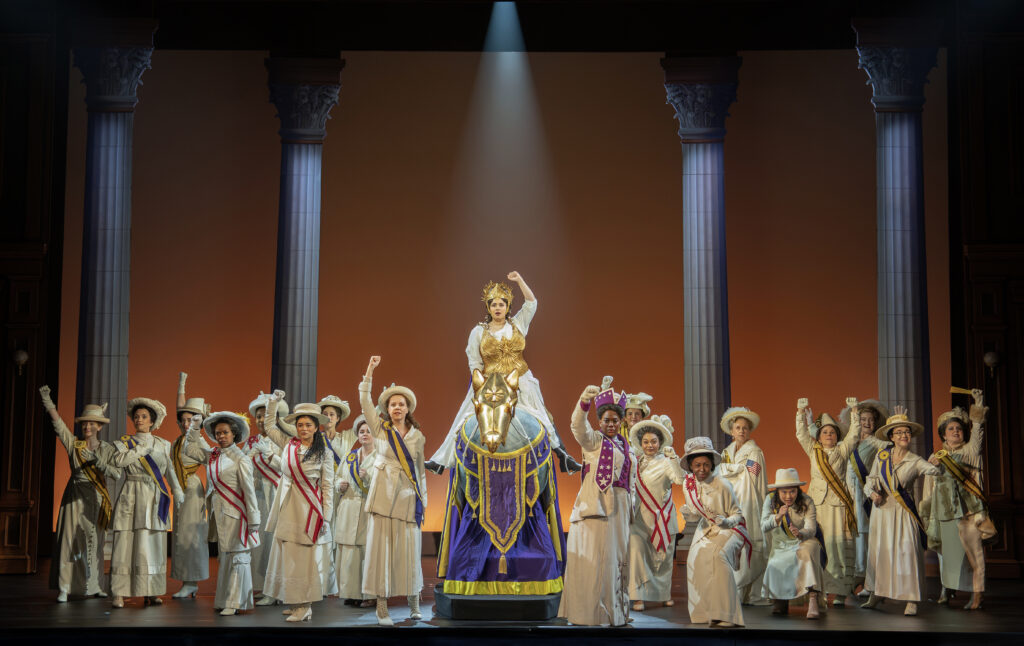
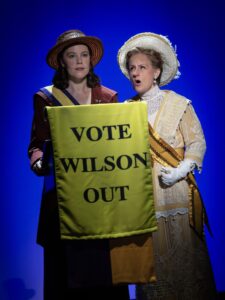 From the opening strains of the period-perfect ragtime-syncopated “Let Mother Vote,” maternally led by Mary Grandy‘s Carrie Chapman Catt and backed by a vocally powerful ensemble, Suffs makes it clear: this isn’t a museum piece. It’s a movement. The storytelling feels urgent, strong, and emotionally immediate—never preachy, always human.
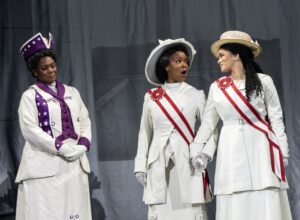 As Ida B. Wells, Danyel Fulton commands attention with moral clarity, emotional precision and powerhouse vocals to rival a certain recent Broadway Gypsy. “Wait My Turn” simmers with justified frustration, and when she returns in “I Was Here,” alongside Mary Church Terrell (Trisha Jeffrey) and Phyllis Terrell (Victoria Pekel), the moment lands as a declaration of presence that resonates well beyond the period setting. Speaking of Fulton’s co-stars, Jeffrey brings elegance and resolve to Mary Church Terrell, particularly in “Hold It Together,” serving as an emotional anchor amid political fractures. Meanwhile, Pekel’s Phyllis as well as a later turn as Robin, reinforce the vitality of youthful exuberance necessary for any movement to continue into the next generation. Whenever any of these three talented performers are on stage, the audience is mesmerized and treated to stunning vocals.
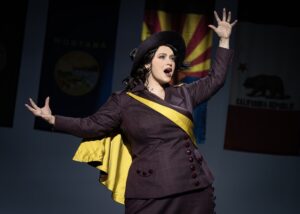 Monica Tulia Ramirez’s Inez Milholland radiates charisma in “The March (We Demand Equality),” which she leads alongside Fulton’s Ida and the ensemble in one of the production’s most visually arresting sequences. Act I’s “Show Them Who You Are” showcases Ramirez’s sass while Act II’s reprise flips the script to haunting results. Milholland’s personal life and sacrifices poignantly reveal the true dedication these powerful, but often unsung heroes of the moment possessed.
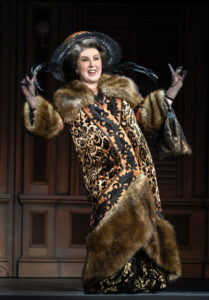 Laura Stracko‘s Alva Belmont is boisterously brilliant. Gotta love a socialist socialite. Act I’s “Alva Belmont” introduces the character in a big way. With another period-nod, “Alva Belmont” is presented as a toe-tappin’ Tin Pan Alley-style ditty complete with playful, yet pointed lyrics: “I divorced my husband for philandering. Now I’ve got his millions for philanthropy.” Flawlessly introducing the character. Interestingly, while not really relevant to the plot, I discovered while researching to interview some of the cast that the real Alva Belmont, a native of Alabama, has ties-by-association to Tennessee. Her maternal grandfather, Robert Desha was a U.S. House of Representatives for the state of Tennessee. In the years before her political activism, she was first married to William Kissam Vanderbilt, the grandson of Commodore Cornelius Vanderbilt (for whom Nashville’s Vanderbilt University was named).
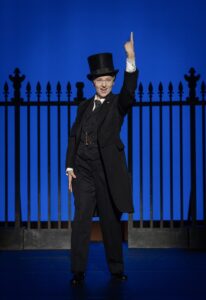 As President Woodrow Wilson, Jenny Ashman offers a sharply drawn portrayal. “Ladies” drips with calculated condescension (and sadly echoes a little too closely our current administration’s views on the arguably stronger sex, but I digress). Later in the show, Ashman’s Wilson attemps to placate with “Let Mother Vote (reprise)”, which lands with pointed irony. On Opening Night in Nashville, Ariana Burks stepped into the role of President Wilson’s Third Assistant Secretary of State Dudley Malone, a role usually played by Brandi Portert. Covering the role, Burks shines in “Respectfully Yours, Dudley Malone,” blending romantic sincerity with political awakening. Her chemistry with Marcus’ Doris in “If We Were Married” and its reprise adds warmth and texture to the broader narrative. Just one of a handful of relationships, while not at the center of the narrative, a wonderful aside. Other notable personal relationships alluded to within Suffs include sorority sisters Ida B. Wells and Mary Church Terrell, friends Alice Paul and Lucy Burns and longtime partners Carrie Chapman Catt and Mollie Hay.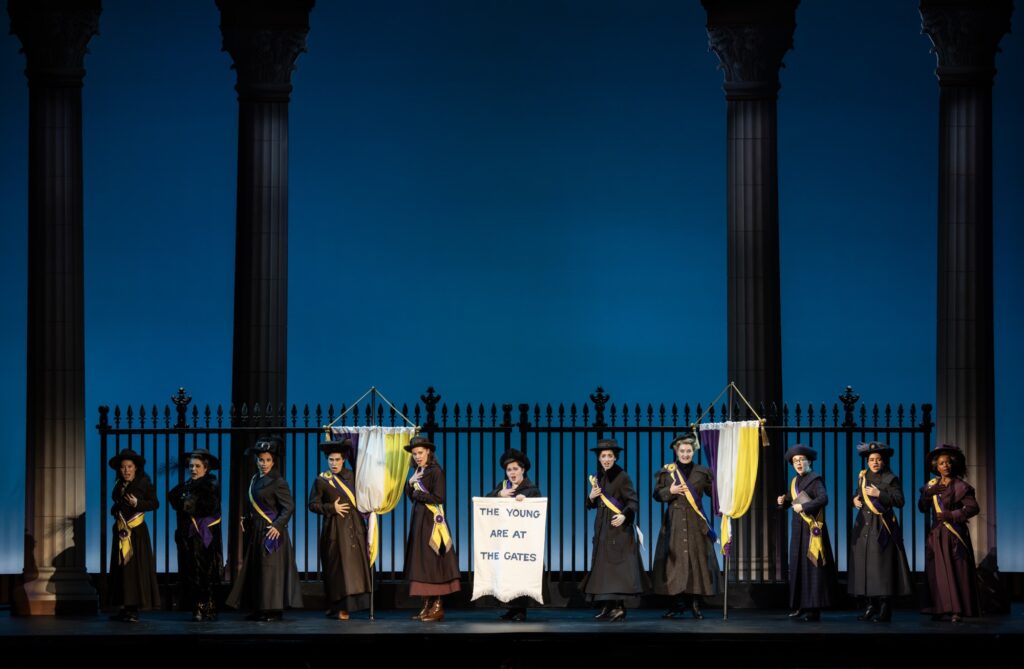
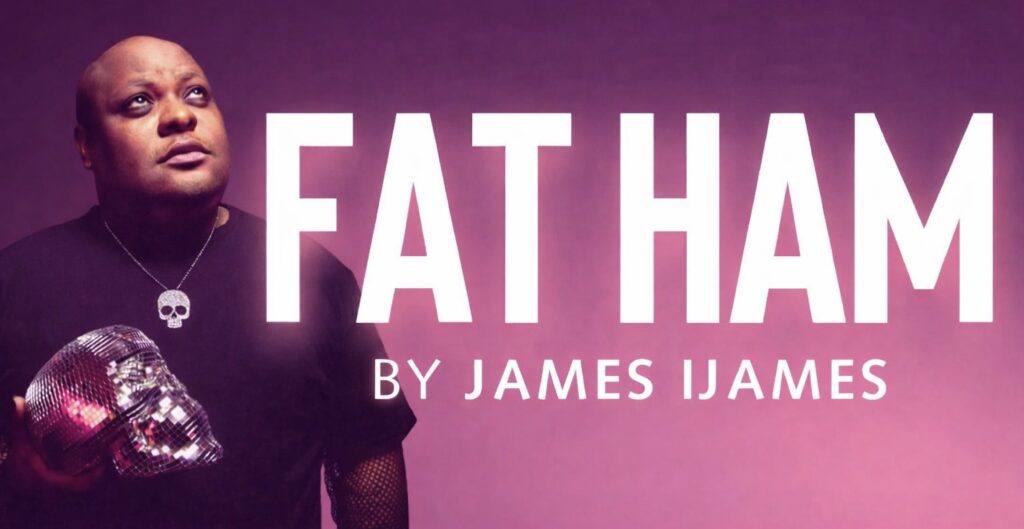
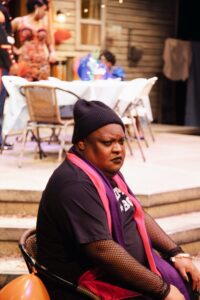 As Juicy, this retelling’s Hamlet, Julian “Joolz” Stroop delivers a performance that is instantly mesmerizing. Dressed in black, but with flare that lets us know they’re their own person deep down, Stroop’s Juicy is a stark contrast to the bright, bustling energy around them, Stroop embodies what it means to feel different within your own family. Their Juicy is wickedly sarcastic, deeply unsure of themself, yet painfully self-aware. Where Shakespeare’s Hamlet spirals toward destruction, Juicy wrestles with whether violence is the only inheritance available. Stroop captures the tension between rage and restraint with remarkable control. You can see the weight of expectation pressing in—the desire to prove themself to a father who was cruel in life and demanding in death. Stroop’s performance reflects the universal burden of feeling unseen, and when ultimately questioning the necessity of revenge, it lands with emotional clarity. Whether performing a telling karaoke number at the BBQ, sharing a laugh with friends, a more intimate moment with a lifelong crush or tense scenes with parental figures, Stroop steps up and shows out in a memorable Nashville Rep debut performance.
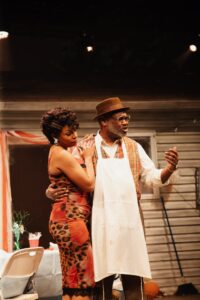 Tamiko Robinson Steele’s Tedra, the Queen Gertrude counterpart, is a sheer joy to behold from her first entrance on. She exudes sensual confidence and the unapologetic energy of a woman determined to find happiness on her own terms. One of my longtime favorite regional actresses, Robinson Steele masterfully reveals the emotional compromises beneath that surface. Like Gertrude, Tedra aligns herself with the new man quickly—but here, the choice feels rooted in survival and stability rather than simple obliviousness. Robinson Steele balances humor and depth beautifully, embodying a mother navigating grief, desire, and the societal pressures that center men in her world. And did I spot a bit of gold in that megawatt smile? A fun nod to Queen Gertrude and Tedra’s own status at the Queen of her castle. Nice touch.
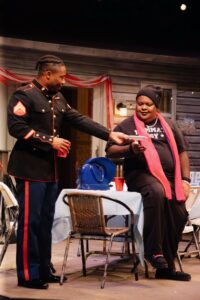 As Larry, the Laertes counterpart, Michael A. McAllister-Spurgeon initially leans into bravado and expected masculinity. But as the story unfolds, he allows vulnerability to seep through the cracks. Like Laertes, Larry is poised to embrace retaliation—but McAllister-Spurgeon reveals the insecurity driving that impulse. His performance underscores how young men inherit scripts of aggression without ever being asked whether they want them. The nuance he brings elevates Larry from stereotype to fully realized human being. And that finale reveal….YAAAAAAS!
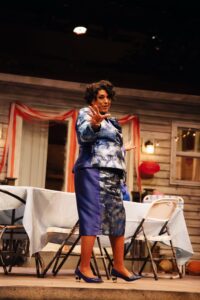 Persephone Felder-Fentress steps into a gender-switched Polonius role as Rabby, Larry and Opal’s mother, with sharp comedic precision. While Shakespeare’s Polonius is verbose and meddlesome, Rabby feels more direct and grounded. Felder-Fentress handles the humor effortlessly, but she also brings a relatable maternal complexity to the role. You know that female relative who always pinched your cheeks as a kid and inevitable asks “when are you getting yourself a girlfriend?” That’s Felder-Fentress’ Rabby. The dynamic between Rabby, Larry, and Opal textbook good christian family facade masking those things we don’t talk about beneath the surface. Y’all, during Rev’s pre-feast prayer, when I noticed Felder-Fentress’s Rabby clicking her bejeweled heels together in prayerful agreement to each thing Rev mentioned, I knew I longed for an invitation to the cookout!
 Rounding out the players is Gerold Oliver’s Tio, the Horatio character. Though his stage-time is limited, he is a delight as usual. His comedic timing, pulled facial expressions and overall demeanor a joy to watch. Yet Oliver ensures Tio is more than comic relief. In a climactic, albeit alter-state-induced monologue that begins like a muchie-fueled rambling, but soon climaxes into something unexpectedly profound. Oliver lands the humor and the wisdom with equal finesse as Tio reminds the audience of the play’s core truth: “Far as we know, we are in the only place in the cosmos that welcomes our particular brand of life. Why waste it trying to be miserable cause it’s gonna make somebody else happy?”
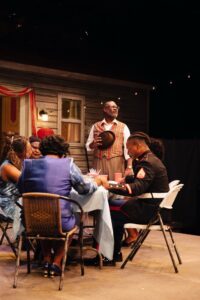 Amber Whatley’s lighting brilliantly shifts from warm afternoon glow to something cooler and more spectral when Pap’s ghost appears, then changing throughout from the familiarity of a family gather to the intensity of truths revealed. Nivedhan Singh’s sound design underscores both the humor and the haunting without overwhelming the text and lifting the mood when called for.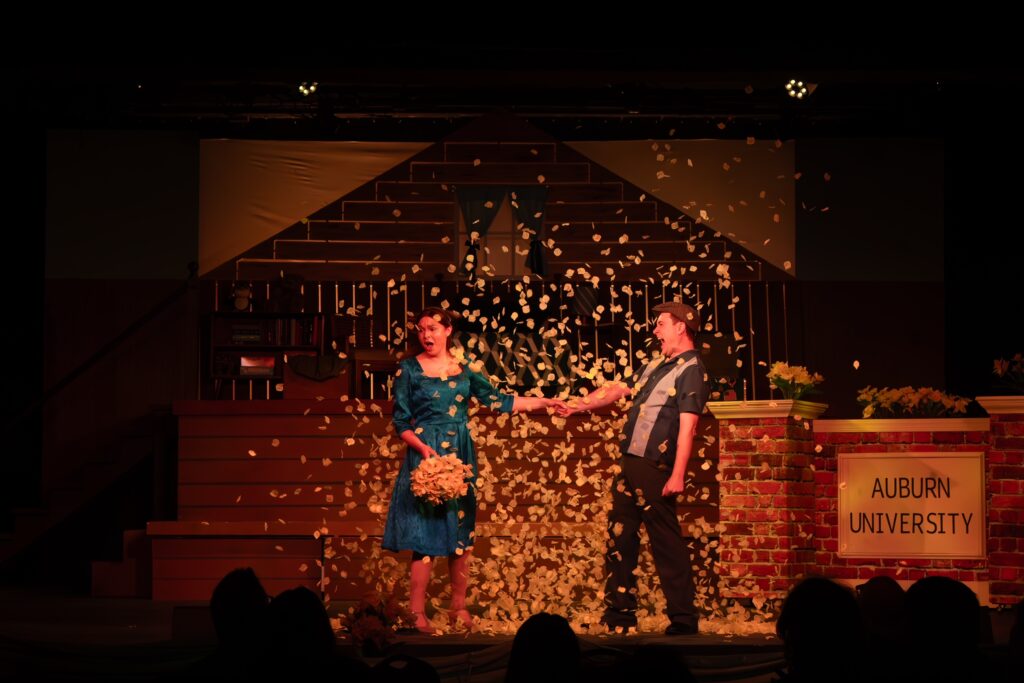
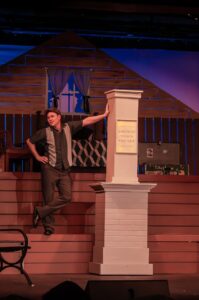 s Edward Bloom, Micheal Walley bursts onto the stage with charisma and conviction. From his first entrance, his speech pattern and delivery lands near Mark Twain’s distinctive Southern storytelling drawl — deliberate, charming, measured — and for some reason put me in mind of French Stewart’s Harry Solomon from “Third Rock from the Sun”, quick with an unexpected sarcastic bite. The blend gives Edward both homespun authenticity and razor-edged comedic timing, a balance that keeps the character from drifting into caricature. The subtle but effective vocal change between younger Edward to his more frail self in later years is quite interesting to take in.
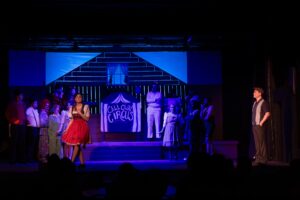 Choreographer Andrea Campbell, working in clear collaboration with director Aaron Gray, makes masterful use of The Keeton’s intimate stage. With a cast of twenty, filling the space without overwhelming it is no small feat, yet the production never once feels crowded. Instead, it feels alive. From kick lines to tap and everything in between, the variety of choreography reflects the musical’s tonal shifts while showcasing the ensemble’s versatility. One can only imagine the rigor of rehearsals required to master such range within spatial constraints, and the ensemble rises to the challenge with precision and enthusiasm. Director Gray deserves equal praise for staging that maximizes every inch of the performance area, creating dynamic stage pictures that feel expansive, an appropriate nod to the story’s 2003 cinematic retelling courtesy Tim Burton‘s film adaptation, despite the venue’s modest footprint.
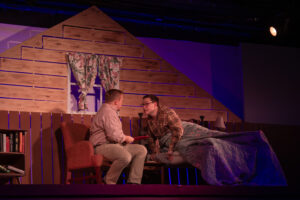 Jacob Hinnen as Edward’s adult son, delivers a fully believable, emotionally grounded portrayal of Will Bloom. Hinnen never pushes for sympathy; instead, he allows Will’s frustration and skepticism to emerge organically. The result is authenticity. As Will prepares to become a father himself, the shift in perspective is subtle yet powerful. You believe him — every step of the way.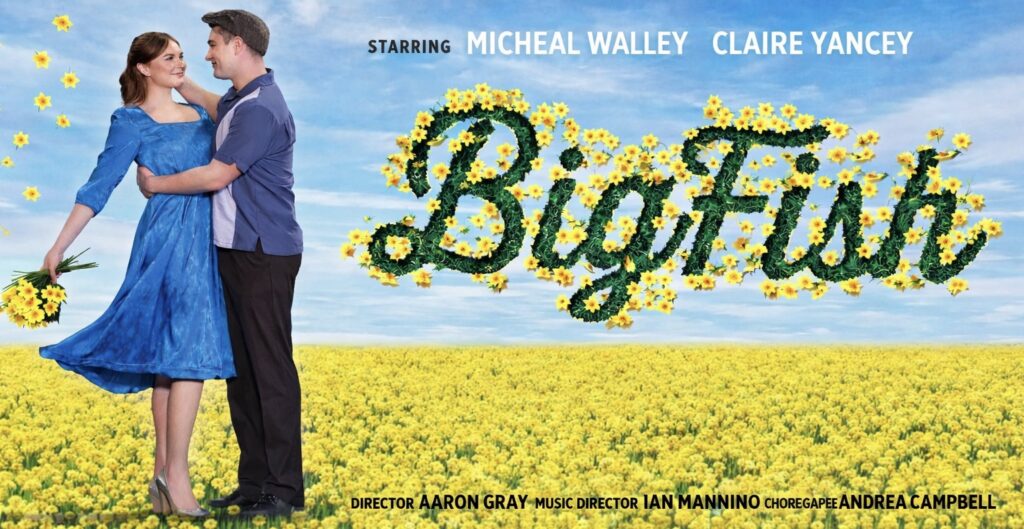
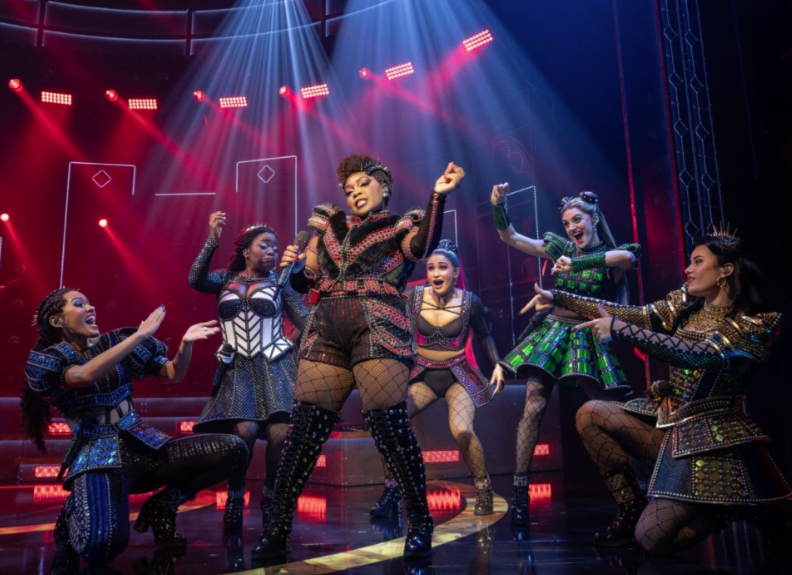
 Emma Elizabeth Smith (Catherine of Aragon) steps forward first with “No Way”, clad in commanding yellow and gold with accents of black—a direct references to her Spanish roots, the wealth of the Spanish crown, and the opulence of the Catholic Church. The regal palette reinforces Catherine’s authority as the original Queen, while the structured corset and bold detailing give visual weight to her refusal to be dismissed. As Smith belts “I’m not sorry for my honesty,” the look radiates righteousness and resolve.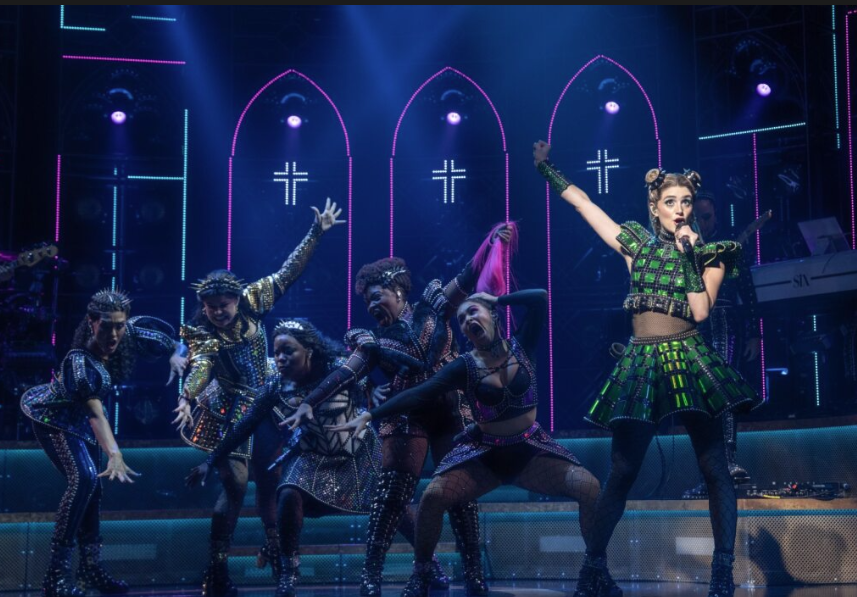
 There’s an interesting shift in tone with Alizé Cruz (Katherine Howard) and “All You Wanna Do”. Her pink-and-black costume reflects youthful vitality layered with looming danger—the sweetness of pink undercut (no pun intended) by the severity of black. What begins flirtatious quickly curdles as the repetition of “All you wanna do, baby” exposes the song’s darker truth. As the lighting cools and the meaning sharpens, the visual contrast underscores just how trapped Howard truly is. It’s Britney‘s “Womanizer”, sing-songy and fun, but if the aggressor had access to the guillotine.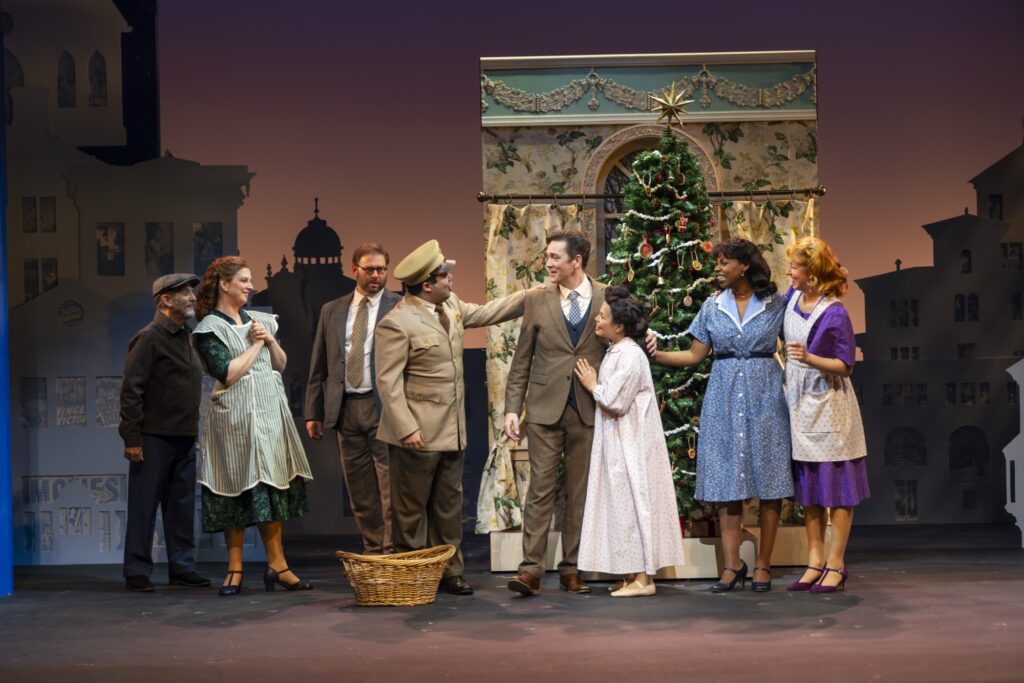
 At the center is Brian Charles Rooney, who’s made quite a name for himself, not only on the local level, but for his work in New York on Broadway, is well-known for his vocal prowess as a musical theatre powerhouse. Rooney captures the full breadth of George’s life journey—from mischievous boy to wide-eyed dreamer to the exhausted, cornered adult wondering where everything went wrong. Remarkably, he accomplishes this not through drastic physical transformation but through subtle, sharply observed choices: a shift in vocal pitch, a slight change in posture, the weight of responsibility settling into the shoulders. These gradations make his downward spiral heartbreaking and his redemption cathartic. As George Bailey, it’s his sincere believability as the multi-faceted depth he brings to the stage that holds the audience’s attention from that first appearance of a man defeated to the much-loved ringing of that angelic bell signifying all is well with the world. His performance as George Bailey is nothing short of revelatory. And YES…though this production is not a musical, the audiences is indeed treated to just a bit of Rooney’s pitch-perfect multi-octave voice for a quick little verse of Buffalo Gals, the beloved tune featured in the 1946 film classic.
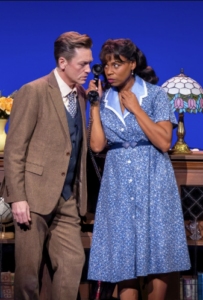 As Mary Hatch Bailey, Tamiko Robinson Steele radiates warmth, quiet confidence, and fierce devotion. Her Mary is not simply the supportive spouse—she’s the emotional compass of the story, grounding George even when he’s flailing hardest. Steele’s effortless sincerity elevates every scene she touches. From their scenes depicting George and Mary’s childhood friendship to their teenage flirtation, Steele’s sweet embodiment of Mary is palpable. The scene at the drugstore soda fountain when Mary leans over to George and whispers in his bad ear her devotion, I couldn’t help but have a little eye sweat. With Steele in the role, it’s no wonder George offers Mary the moon.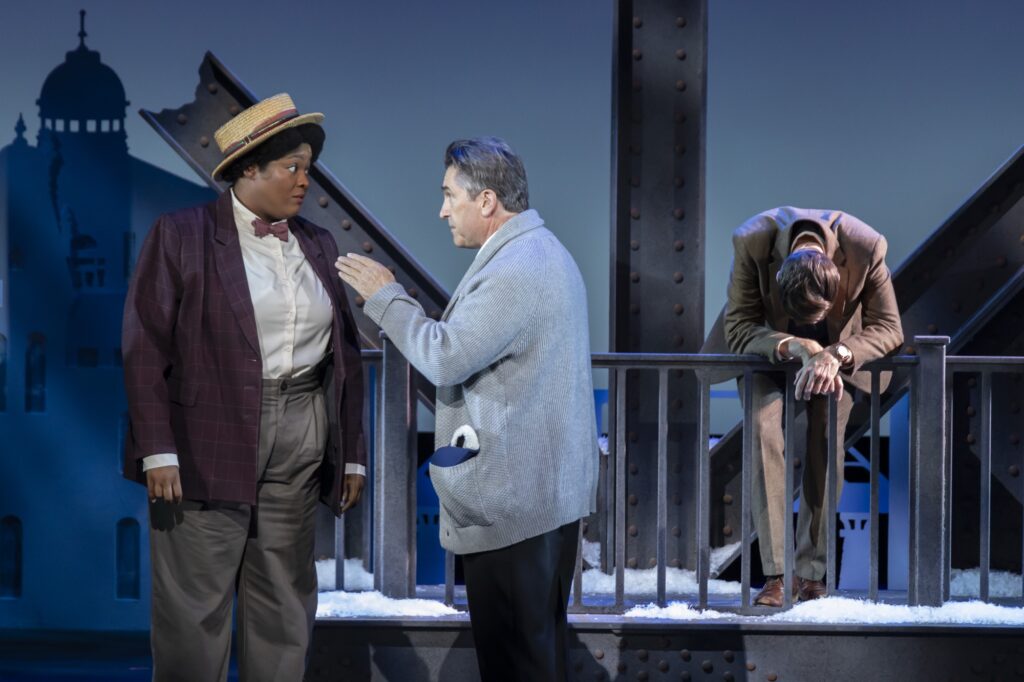
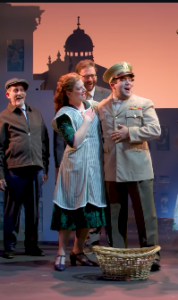
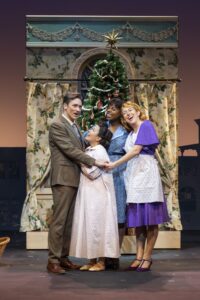 Among the remaining ensemble are Eric D. Pasto Crosby, who is first seen in a brief appearance as Mr. Bailey and a little more stage time as Nick the barkeep (question…did they really have Sports Bars called as such in the 1940s? It’s rhetorical. Sports Bars weren’t a thing until the 1960s, thus my only complaint about the set, for when Clarences shows George what life would have been like had he not been born, they visit the bar formerly owned by Martini, now emblazoned with a mirror-etched sign reading Nick’s Sports Bar). Aleia Eagleton and Darci Nalepa Elam appear throughout portraying various townspeople. Among their standout turns, Elam’s Ma Bailey is motherly perfection while her Tilley is flirty and fun. Then there’s the small in stature, but big in energetic presence of Eagleton as she is fabulously convincing and utterly enjoyable in the tiny, but pivotal role of Zuzu.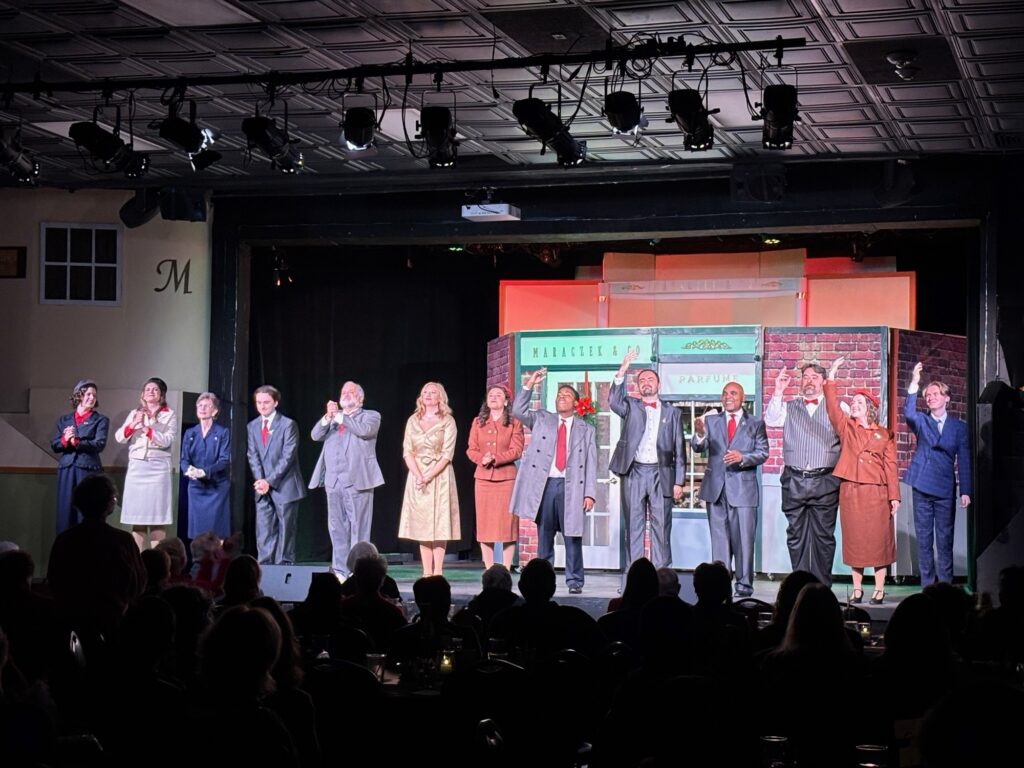
 While Jimmy Stewart’s Alfred from 1940’s The Shop Around the Corner presented the male counterpart of the story as a bit of a prickly nay-sayer, the musical adaptation’s male lead Georg Now, played in The Keeton’s She Loves Me by Jayden Murphy,
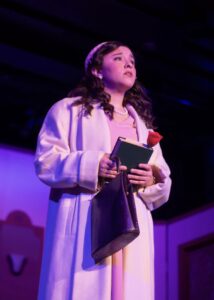 As Amalia Balash, Jiana Kevilus is radiant—sharp-tongued in the workplace to comedic delight when pitted again Georg one moment and achingly vulnerable when speaking (or singing) of her unidentified letter-writing love the next. Her interpretation honors Amalia’s insecurities, especially those revealed in Will He Like Me?, while infusing her with modern emotional clarity. As anticipated, Kevilus’ Vanilla Ice Cream—approached as a pivotal moment where Amalia subconsciously begins to realize Georg’s true identity—bubbles with joy, confusion, and discovery. It is one of the highlights of the evening: vocally agile and acted with specificity. In an admirable way, Kevilus’ performance of the song put me in mind of Olivia Newton-John’s Hopelessly Devoted Grease moment.
 Kimberly Wolff, who seems to have become a full-fledge member of the Keeton company of frequently seen actors, is a standout as Ilona Ritter. Wolff gives the role the perfect blend of glamour, vulnerability, no-nonsense practicality and emotional intelligence. Her work in the number I Resolve is especially effective—Ilona’s attempt at independence is tinged with hope, frustration, and surprising strength.
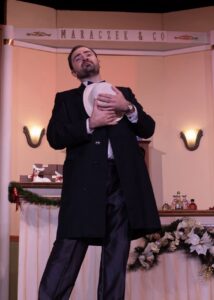 Her scenes with Tommy Anglim’s Kodaly are super-charged with electrically playful tension. Anglim’s Kodaly is smooth, sly, and charming in all the most infuriating ways. During their shared musical numbers—particularly Ilona, Anglim’s Kodaly delivers a somewhat bawdy, yet perfectly comedically timed riotous performance. Anglim’s delightfully narcissistic Kodaly and Wolff’s tough-but-tender Ilona feel like they walked straight out of a Golden Age film.
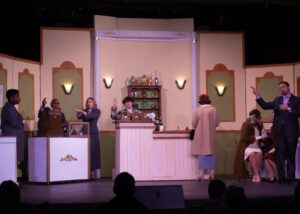 Once again, The Keeton’s in-house scenic designer, Kevin Driver delivers a triumph and his She Loves Me set should be one of the most-talked-about elements of the production. Inspired by the 2016 Tony-winning Broadway revival’s transformative shop design, Driver creates an only slightly scaled-down Maraczek’s Parfumerie that feels timeless, elegant, and tactile. The mobile units shift the space effortlessly, inviting the audience directly into the warmth of the 1930s Budapest shop.
 The supporting roles are filled with memorable performances. Brian Best, last seen as William Frawley in The Keeton’s Lucy Loves Desi, lends Mr. Maraczek gravitas and returns Best to the typical bravado roles for which he’s come to be known. His solo of Act 1’s Days Gone By and its Act 2 reprise are unexpectedly hauntingly touching. Sipos, a role often
 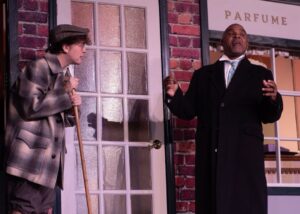 played as gentle and understated, in the hands of Victor Davis, creates a charmer with soulful presence and hilarious comedic timing. Making his Keeton debut, Samuel Boggs brings youthful earnestness to Arpad, his Try Me full of plucky determination. Boggs’ performances should be remembered as he’s definitely poised to be one to watch with a sure-fire future in Nashville’s theatre community.
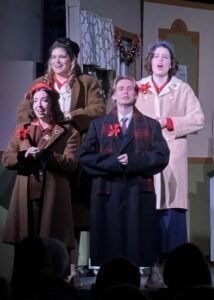 As for the rest of the cast, Brenda Brannon (always a personal favorite) is snooty perfection as the sever in the upscale restaurant where our two fated lovers attempt their first face-to-face, Rich Moses, and the ensemble—Chloe Beehm, Hazen Lawson, Kathleen McClanahan, and Amanda Noss—bring humor, color, and a bit of extra fun to each moment they touch. Again, particularly enjoyable is the restaurant scene, from the physical comedy to flirtation abounding.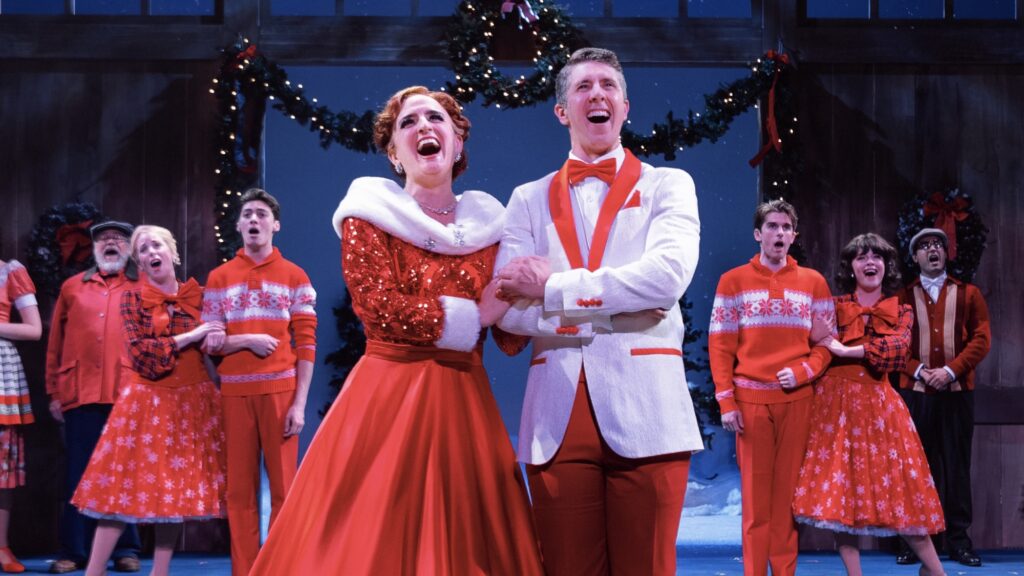
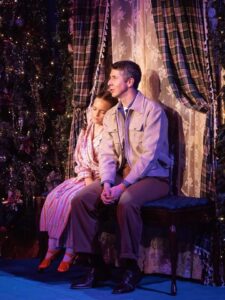 Ben Laxton, as the steady, dry-witted Bob Wallace, anchors the show with clean vocals and a grounded charm that never attempts to mimic Bing Crosby, but instead finds a sincerity and warmth all his own. His rendition of Count Your Blessings Instead of Sheep lands with a quiet power—simple, heartfelt, and beautifully sung.
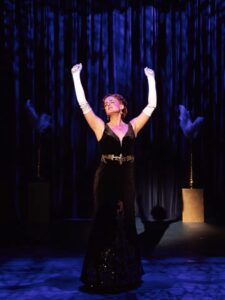 Laxton pairs especially well with Lisa Karlin’s Betty Haynes, whose rich, velvety alto brings a classic, old-Hollywood elegance to every number she touches. Her Love, You Didn’t Do Right By Me—a personal favorite moment of mine—was delivered with haunting restraint, channeling Rosemary Clooney without imitation and earning one of the night’s strongest responses.
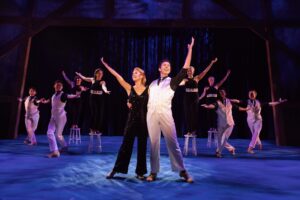 On the other side of the romantic coin, Jeremy Benton and Elizabeth McGuire ignite the stage as Phil Davis and Judy Haynes. Benton, not stranger to area theatre audiences, was last seen in Nashville as Bert in Nashville Rep‘s 2022 production of Mary Poppins, is also no stranger to the role, having performed in the National Tour of White Christmas and incredible 7 seasons. Speaking of previous connections to the show, Benton’s on-stage love interest McGuire, who’s making her Studio Tenn debut in the show, has previously appeared in two regional productions of White Christmas. Not only do they match the flirtatious comedic energy required of the roles, they also jointly co-choreographed the production—an ambitious undertaking given the show’s dance vocabulary is steeped in the iconic work of Randy Skinner. The result? Pure joy. Their The Best Things Happen While You’re Dancing is dreamlike and precise, but it’s the Act II taptastic extravaganza I Love a Piano that stops the show cold…or should I say Hot! Benton’s dancerly ease and McGuire’s crisp, buoyant tapping create the kind of musical-theatre electricity audiences hope for in December. They honor Skinner’s lineage while injecting fresh life into every step.
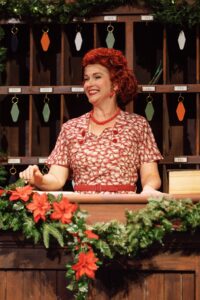 In comedic and heartwarming supporting turns, Megan Murphy Chambers (Martha) once again proves she can steal an act with one number. Her Let Me Sing and I’m Happy blends powerhouse vocals with effortless comedic bite—she lands every quip, every side-eye, and every belted high note with the precision of a seasoned pro. Belting lyrics like “if my song can start you laughin’/can start you cryin'”with humor and heart, rest assured MMC can and does! Chambers is a jewel in the crown of area theatre folk. She’s an entertainer’s entertainer. Equally at ease whether tasked with comedy or sincerity. Her scenes with Curtis Denham‘s General Waverly check all the marks perfectly hitting the highs of broad comedy and the more subtle genuine moments between two longtime friends. Speaking of, Curtis Denham brings a grounded gravitas to General Waverly, avoiding caricature and instead offering a touching
 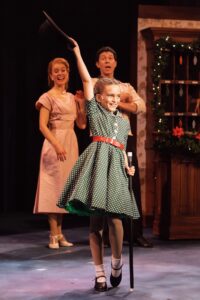 portrait of a leader rediscovering purpose. Rounding out the primary cast is young Frankie Lou Lauderdale, who simply charms instantly as Susan (Preslee Siebert also plays Susan at some performances). Lauderdale delivers the pint-sized earnestness gives the storyline its heart. I’ve always found it interesting that in the original film, Susan is General Waverly’s adult granddaughter, but for the stage adaptation, Susan is presented as a young girl. I does indeed add a more family-oriented dynamic and Lauderdale’s Susan provides the right amount of youthful sweetness combined with moxie, as proven in her cheer-inducing ambitious rendition of Let Me Sing and I’m Happy.