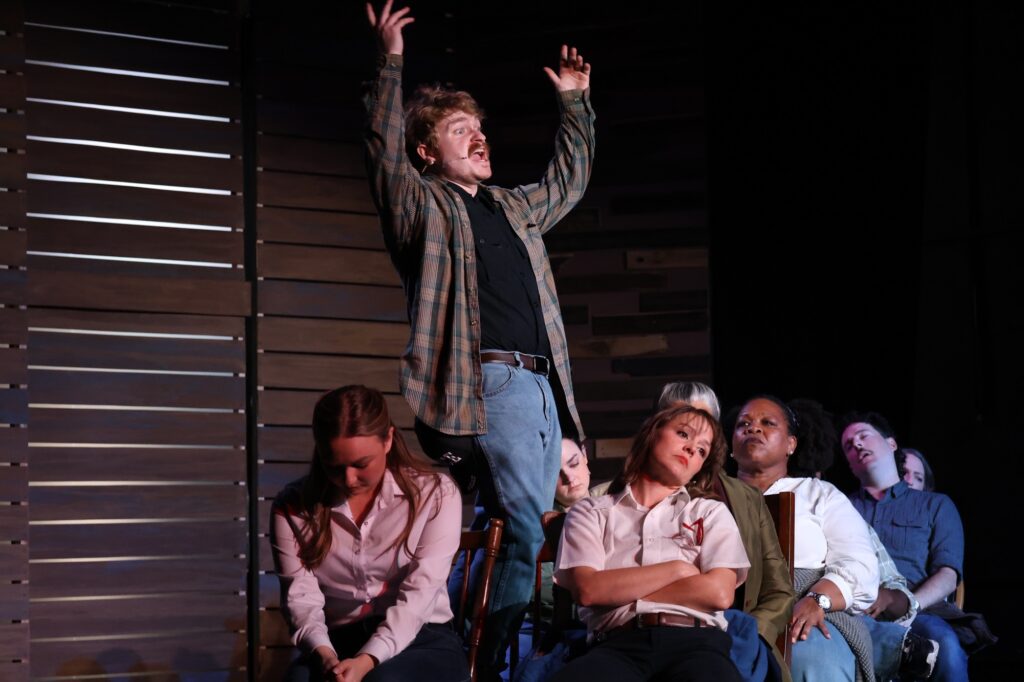
In a world that can sometimes feel painfully divided, The Keeton’s Come From Away arrives as a beautifully timed reminder that when everything else falls away, kindness can still bring us together. While Irene Sankoff and David Hein’s Come From Away score is effective in the moment, it’s not exactly one of those musicals filled with earworms audiences are likely to be singing or rushing out to download on their Broadway playlists. That said, there are moments in musical theatre when a production becomes more than the sum of its songs, characters and choreography. The Keeton’s Come From Away is one of those productions.
Set in the immediate aftermath of September 11, 2001, Come From Away tells the remarkable true story of the 38 planes diverted to Gander, Newfoundland, leaving thousands of passengers unexpectedly stranded in a small community. But rather than focusing on the tragedy itself, the musical turns its attention toward what happened next: strangers opening their homes, sharing what little they had, forming unlikely friendships and discovering that compassion can flourish even in the darkest circumstances.
Under the direction of Susan Walsworth, with musical direction by Trey Lundquist, choreography by Mckenna Driver and set design/tech director courtesy Kevin Driver, The Keeton’s production captures that spirit with an ensemble that understands the show’s greatest strength is its collective heartbeat. Each of these creative, and the cast, come together to present a cohesive piece that presents the technical elements in a minimalist way. Effective, but never overpowering or competing with the strengths of the story and those tasked with bringing it to emotionally charged life.
 With an obvious nod to the original Broadway run’s scenic design by Beowulf Boritt, for The Keeton’s production, Kevin Driver and his scenic team (Abby Waddoups, Donna Driver, Aras Alexander, Eric Bradley and Crystal Liles) construct a seemingly simple but successful set. The backdrop, a stripped-down horizontal slat wall that beautifully plays with Jesse Watts’ lighting design. Also reminiscent of the original set design, Keeton’s stage is flanked on either side by tall, thin but sturdy trees that extend out of sight above the action. Driver and company nicely represent the play’s locale with the added touch of downstage rock formations, giving just a hint of a rocky-shored island vibe. No need for elaborate set pieces or projections representing the various scene locations. Throughout the action of the piece, a chair can represent a seat on a plane, a place at a table, a passenger waiting for answers or simply another piece of the constantly shifting landscape. To that end, the choreography by Mckenna Driver works hand-in-hand with that concept, keeping the ensemble in perpetual motion and allowing the story to move with the same speed and urgency as the characters’ rapidly changing circumstances. Here, chairs become airplanes one moment, a bus headed to parts unknown the next, and then a crowded airport filled with weary strangers who somehow become fast friends. If you read my column with any regularity, you know I love a bit of chairography (blame Sweet Charity’s Shirley MacLaine or Janet Jackson if you want) and in Come From Away, chairography—a wonderfully inventive use of the simplest theatrical object to create an entire world—is key.
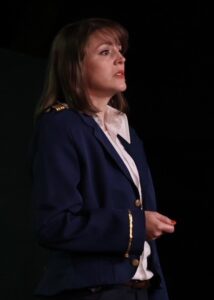 There may be twelve cast members, but the way Come From Away is presented, each cast member plays at least two roles: those of the displaced passengers and crew of the diverted planes and the townspeople of Gander, Newfoundland. At the center of the ensemble is Melissa Silengo, whose performance as Beverly Bass is nothing short of a powerhouse. Silengo brings an impressive combination of authority, vulnerability and warmth to the role of the pioneering female pilot. Her rendition of “Me and the Sky” is one of the production’s defining moments, taking Beverly from a young girl captivated by the possibility of flight through the challenges of becoming a pilot and ultimately into the extraordinary circumstances that put her leadership to the test. Silengo never plays Beverly simply as a heroic figure; she gives her humanity, making the character’s determination all the more affecting.
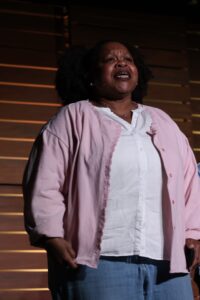 As for the passengers, Yolanda Treece’s Hannah, is equally heartbreaking. Her story, particularly as she waits desperately for word about her son, gives the production some of its most emotionally devastating moments. Treece allows Hannah’s grief to unfold with restraint rather than melodrama, making the quiet moments every bit as powerful as the big ones. When the characters gather in prayer, the scene becomes a poignant reminder that despite differences in religion, nationality and circumstance, there are some fears and hopes that belong to all of us.
Then there are the Kevins. Justin Tinker as Kevin J. and Jason Scott as Kevin T. provide some of the production’s most welcome humor while never losing sight of the humanity underneath it. Their relationship gives the audience permission to laugh amid the heavier material, and the chemistry between the two actors makes their banter particularly enjoyable. Their scenes are a reminder that even during extraordinary circumstances, people are still people—and sometimes humor is exactly how we survive the unbearable. Tinker gives Kevin J. a wonderfully complicated edge, while Scott brings Kevin T. an appealing warmth. Together, “the Kevins” are one of the production’s comedic bright spots.
Another unexpected delight is the developing relationship between Ben Gregory’s Nick and Ashlie Welte-Lopez’s Diane. What begins almost as an accidental connection between two people caught in an extraordinary situation gradually becomes something genuinely sweet. Their relationship never feels forced; instead, it grows naturally out of conversation, curiosity and the simple comfort of having someone beside you when you suddenly find yourself very far from home. Gregory and Welte-Lopez find the tenderness in those moments, giving the audience one more reason to smile.
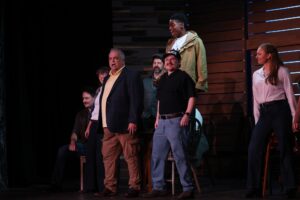
The rest of the ensemble fills Gander with an infectious sense of personality. Brian Best’s Claude, the Mayor of Gander, reveals grace and a bit of befuddlement under pressure (what’s up with those cargo pants though?). Stephanie Jackson’s Beulah is the take charge Gander resident who keeps things moving in a time of crisis, while finding time to slow down and offer friendship, in particular to Treece’s Hanna. Leslie King’s Bonnie shows that empathy extends beyond the people affected by tragedy. Her scene with unseen animals in the cargo holds end up being some of the show’s most emotionally charged moments. Jack Joiner’s Oz, the constable and other minor roles provide more humor and heart. Jayden Murphy’s Bob, a young man who’s uncertain about “collecting bbq grills’ from Gander residents’ yards to help feed the masses provides a bit of humor, but also examines prejudices. Claire Yancey’s Janice, newbie local reporter who’s thrown into the spotlight on her first day on the job, adds another layer of self-doubt were crisis is concerned. Each ensemble member, regardless of their role, contributes distinct—at times humorous and through-provoking pieces—to the community that ultimately becomes the emotional center of the story.
As the story unfolds and the actors switch from townsfolk to displaced temporary Ganderites and back again…multiple times, there comes an unexpected pleasure in watching the ensemble shift from one character to another. One actor may be a passenger in one scene and a Gander resident in the next, with a change of posture, voice, costume piece or simply a new chair position doing the work. It is an enormous theatrical challenge, and this cast embraces it, and carries it out with everything they’ve got.
From the all-in half narrative/half sung-through opening number, “Welcome to The Rock”—to the production’s lighter moments, whether the passengers discovering the peculiarities of Newfoundland life, the infamous “Screech-In”, or the increasingly chaotic attempts to accommodate thousands of unexpected guests, there are genuinely funny moments—without ever making light of the circumstances surrounding them.
And then there are the moments when the laughter suddenly stops. The production’s treatment of the passengers watching the news footage for the first time is devastating precisely because it doesn’t need to overplay the moment. Staged somberly by director Walsworth, the passengers face the audience looking just above them, watching unseen tv screens. The audience doesn’t need to hear audio or see a video loop of the harrowing moments American Airlines Flight 11 and United Airlines 175 crashed into the Twin Towers to know what these characters are seeing. Those of us old enough to remember, know what they don’t yet know. The silence carries the weight and the resulting tears that streamed down my face as I watched this scene during the show’s opening night prove we truly will never forget.
That emotional balance is one of the most difficult things about Come From Away, and The Keeton largely gets it right. The show can move from laughter to tears and back again without feeling manipulative because the characters have been allowed to become real people rather than symbols.
Walsworth’s direction keeps that humanity front and center. Her staging trusts the material, the actors and the audience. Trey Lundquist’s music direction is equally essential, giving the production the vocal drive required by a score that rarely sits still. The music propels the story forward, while the ensemble sound helps create the feeling that this is one giant story being told by many voices.
And ultimately, that is exactly what Come From Away is. It is a story about people. People who were scared. People who were grieving. People who were annoyed, confused, exhausted and occasionally overwhelmed. But also people who opened their doors. People who cooked meals. People who provided beds. People who drove strangers around town. People who listened. People who laughed together. People who, for a brief moment, stopped being strangers.
The Keeton’s Come From Away understands that the show’s greatest spectacle isn’t in constructing a realistic aircraft cabin. It’s not in unnecessarily perfect choreography or even the remarkable feat of telling dozens of stories with a relatively small ensemble. It’s the kindness. In a time when it can be easy to become cynical about humanity, Come From Away offers something refreshingly simple: proof that we still possess the capacity to care for one another.
The Keeton’s Come From Away is an affecting, spirited and beautifully assembled production that takes flight because its talented ensemble never loses sight of the human beings at the heart of this extraordinary story. With Susan Walsworth’s assured direction, Trey Lundquist’s vibrant musical leadership, Mckenna Driver’s understood simple movement and a cast that seamlessly transforms chairs into planes, buses, airports and gathering places as effectively as they bring their characters to life, this is a production that reminds us that even in our darkest moments, there are still reasons to believe in each other. A beautiful reminder that sometimes the most powerful stories aren’t about what happened. They’re about what happened afterward.
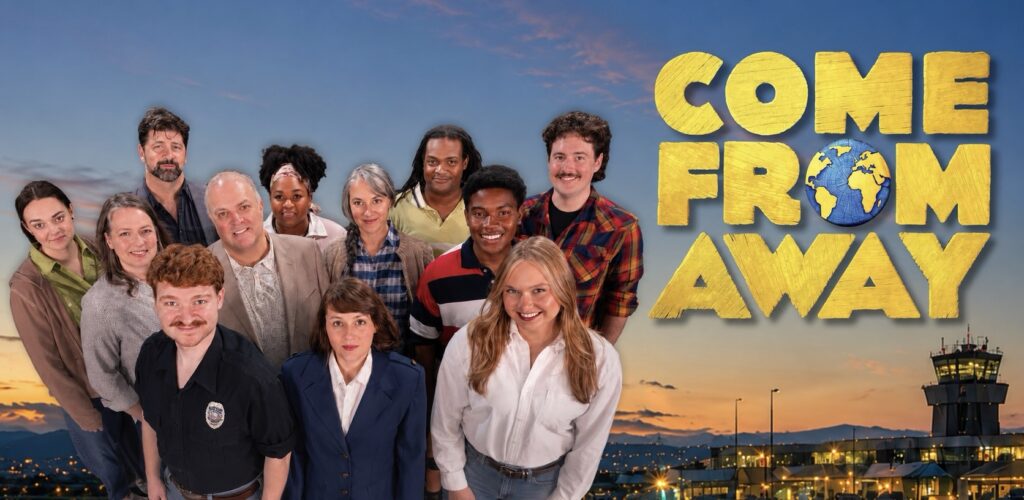
The Keeton‘s Come From Away continues thru Sunday, August 30. CLICK HERE for tickets. For Friday and Saturday performances, doors are at 5:45pm with dinner service until 6:45 and show beginning at 7pm. Thursdays are show only with doors at 6:30pm and show at 7pm. For Sunday matinees, doors open at 12:45pm with meal service until 1:45pm and showtime at 2pm.
Next up following Come From Away, The Keeton presents John Patrick‘s wickedly funny mid-century comedy The Curious Savage on stage October 9-25. So you don’t miss out on upcoming shows at The Keeton Dinner Theatre, follow them on Facebook, X and Instagram.
Interested in coverage for your latest entertaining endeavor? Click the contact page and drop me a note. You can also follow JHP Entertainment on Instagram and Facebook. In the meantime, #GoSeeTheShow!
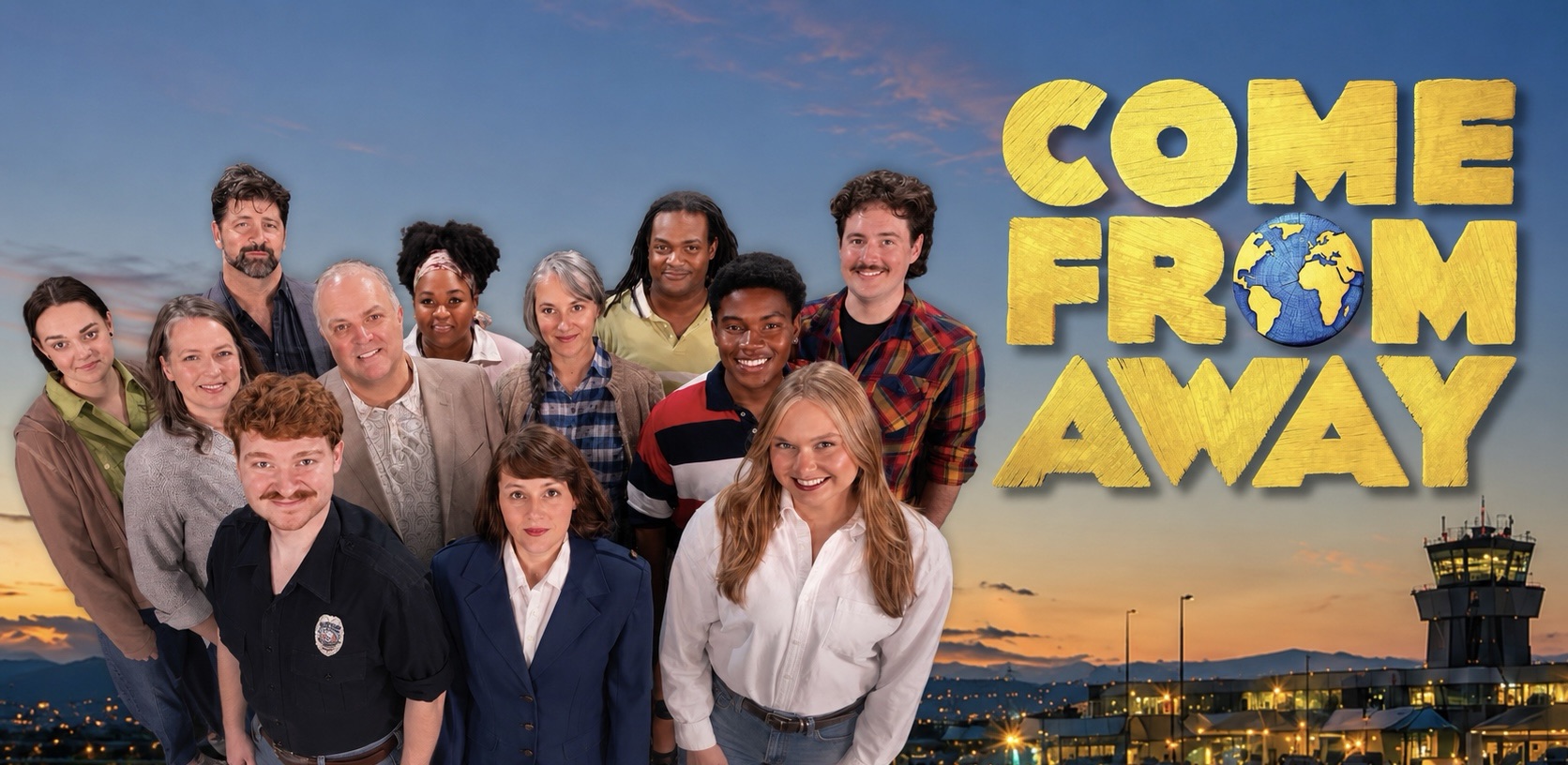

 RAPID FIRE WITH COME FROM AWAY’s KEVIN J., JUSTIN TINKER
 RAPID FIRE WITH COME FROM AWAY DIRECTOR SUSAN WALSWORTH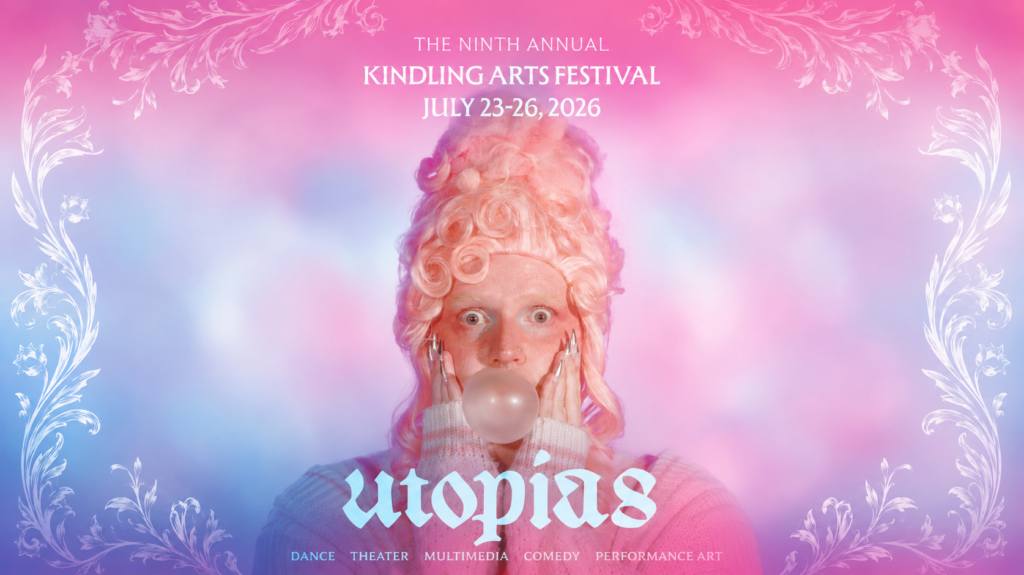
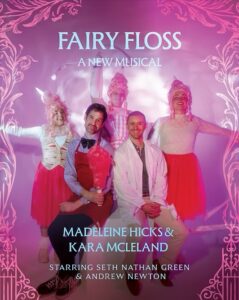 If you’re deciding what to catch over the remainder of the festival, the six productions highlighted as this year’s Must Sees provide an excellent place to start. Musical theater fans should make time for Fairy Floss: A New Musical, a charming new work by Madeline Hicks featuring music by Kara McLeland. Inspired by the invention of cotton candy, the production blends romance, whimsy and history into what promises to be one of the festival’s sweetest offerings.
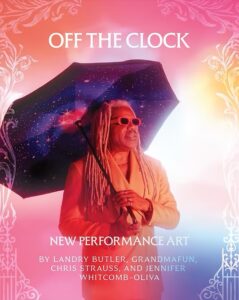 Opera lovers shouldn’t miss Faith: A New Opera, composer Jeremy Smith’s ambitious new work combining Southern gospel traditions, Appalachian folk influences and classical opera in the story of a charismatic preacher whose growing influence comes at a cost.
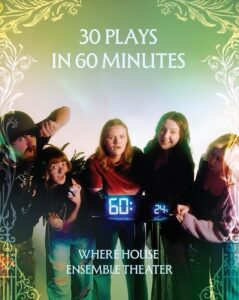 Of course, one of Kindling’s greatest strengths is the joy of discovering productions that may not have been on your radar before arriving. This year’s lineup also includes Common Ground, an evening of dance celebrating community and collaboration; Milk Makes Me Sick But My Body Needs It, Hannah Dorfman’s deeply personal exploration of womanhood and healing; 30 Plays in 60 Minutes, an energetic collection of miniature plays inspired by the festival’s UTOPIAS theme; and See You in Hell, an unforgettable mix of burlesque, drag, clowning and spoken word.
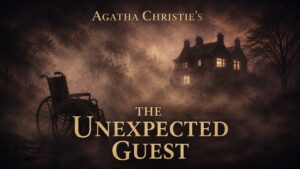
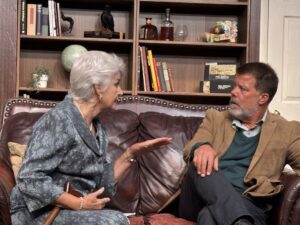 It seems only fitting that one of the grande dames of Nashville community theatre should portray the grande dame of this troubled estate. Linda Speir is perfectly cast as Mrs. Warwick, carrying herself with the unmistakable air of someone who has spent decades believing everyone else exists merely to disappoint her. Speir expertly mixes aristocratic self-importance with dismissive disdain for nearly everyone she encounters, yet wisely avoids making the character simply cold or cruel. In fleeting moments—a softened glance, a quieter line delivery, the slightest crack in an otherwise rigid exterior—she reveals the forgotten gentler woman buried beneath years of grief, pride and disappointment. Those subtle glimpses make Mrs. Warwick far more interesting than the stereotypical overbearing matriarch she could have easily become.
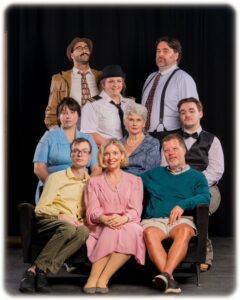
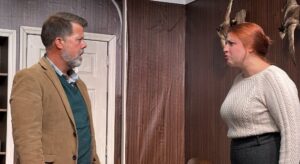 Rounding out the cast Emma Reinbold is, on the surface, a steady, reassuring presence as the devoted Ms. Bennett, grounding many of the play’s more emotionally charged moments with quiet sincerity. But of course there’s more to her long-tenured devoted presence. Rich Moses lends Julian an affable confidence that keeps audiences guessing exactly where his loyalties lie. Andrea Coleman’s police Sergeant provides some of the nights’ more comical moments. She and her on-stage superior, Rezende’s Inspector, trade eye-rolls and seemingly unscripted, adlibed barbs, giving the Sergeant more range of character than the calm professionalism with which the role is typically presented. Kamron Smith rounds out the ensemble as Angell, offering up the tried and true embodiment of the age-old mystery trope that raises the question, did indeed the butler do it? OK, so Angell isn’t a butler, but he is a male attendant to the murder victim, but you get the gist.
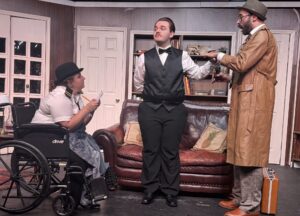 His investigative process becomes theatrical in all the best ways. Whether employing the murder weapon as a visual aid, incorporating a fruit snack into his deductions, or somehow turning a bit of knitting into investigative tool, Rezende constantly finds inventive bits of business that not only earn laughs but reinforce the notion that this Inspector’s mind is always several clues ahead of everyone else. A prime example come in the aforementioned investigation of Speir’s Mrs. Warwick. As the Inspector invites the elder matriarch to join him on the sofa for a little chat, he nonchalantly takes out his knitting needs, and yarn. He nonchalantly tosses the yarn into Mrs. Warwick’s lap, which she quickly and calmly removes from her lap a sets the yarn between them. It’s a simple but effective scene. The Inspector is either trying to equate the humdrum hobby of knitting with the senior suspect, or he’s establishing dominance by assuming she’ll hold the yarn as he coaxes her to weave her tale of the events of the murderous night. Either way, in the hands of Rezende–with an able assist from Speir–it’s one of the most inventive Christie moments you’re likely to encounter on a local stage.
 As is the case with most mysteries, there’s that uncomfortable moment when difficult facts are presented. It is in that spirit that the usual suspects of technical issues within Playhouse 615’s production need be addressed. While the majority of the Welsh accents were certainly serviceable, several wandered throughout the evening, occasionally drifting toward a more generic British sound before finding their way back again.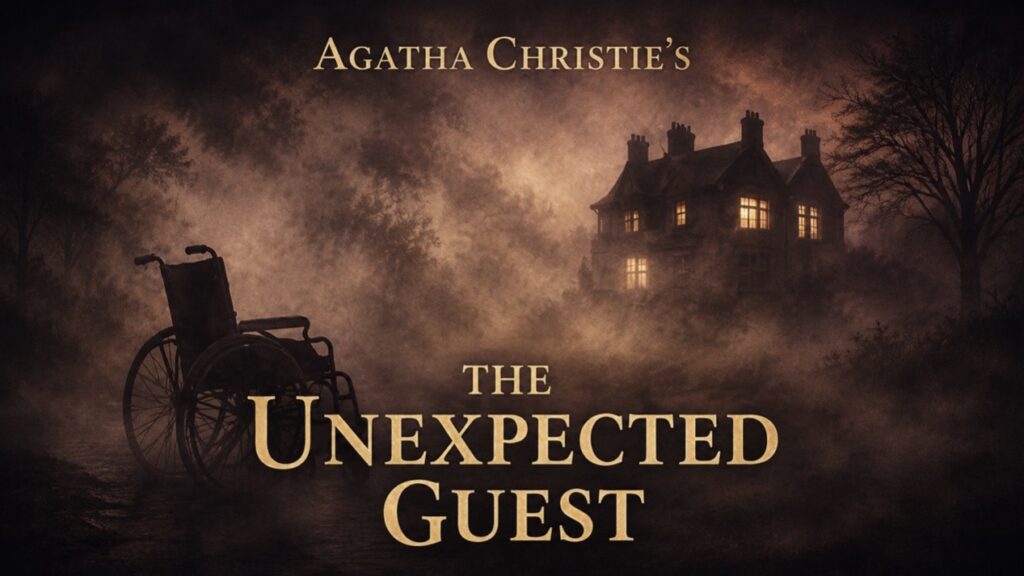
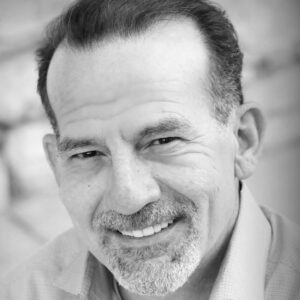 RAPID FIRE WITH THE UNEXPECTED GUEST CO-DIRECTOR CRAIG HARTLINE
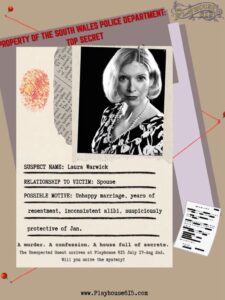 RAPID FIRE WITH KATIE DELAUNE THE UNEXPECTED GUEST‘s LAURA WARWICK
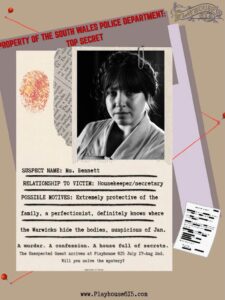 RAPID FIRE WITH EMMA REINBOLD, THE UNEXPECTED GUEST’s MISS BENNETT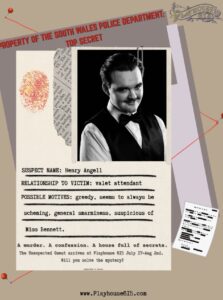
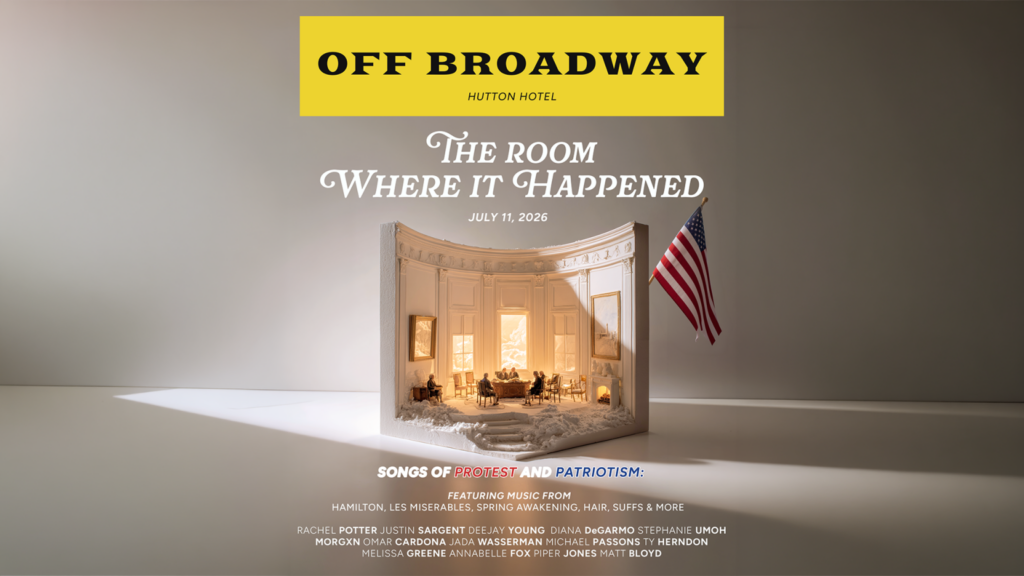

 RAPID FIRE WITH THE TIDE‘s PLAYWRIGHT/DIRECTOR CATHY STREET
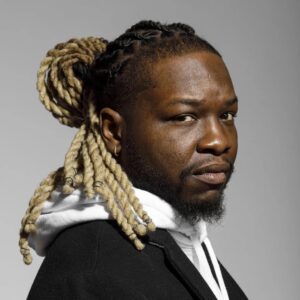 RAPID FIRE WITH THE TIDE‘s MARCUS, ACTOR CHRIS LEE
 THE TIDE: A New Musical
 RAPID FIRE 20Q WITH HAMILTON‘s ELIZA, LILY SOTO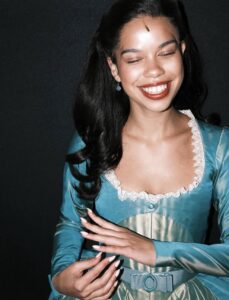
 RAPID FIRE WITH HAMILTON‘s ANGELICA, MARJA HARMON
 RAPID FIRE WITH HAMILTON PRINCIPAL STANDBY, CHIBUEZE IHUOMA
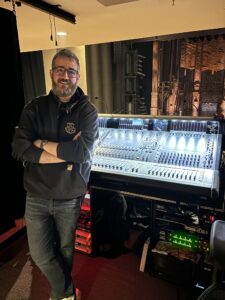 RAPID FIRE WITH HAMILTON ASSISTANT SOUND ENGINEER, JOSHUA BOATMAN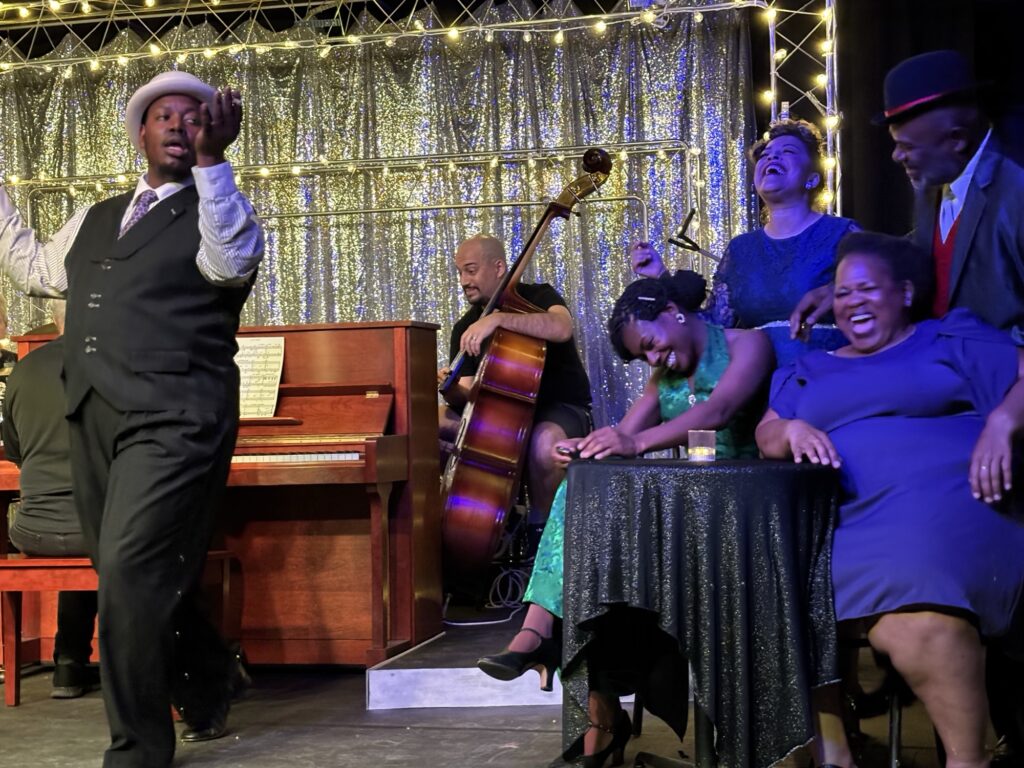
 Isiah Rankin, pulling double duty behind the scenes as the show’s music director helps shape a score that feels authentic, alive and wonderfully spontaneous. Performing as Andre, Rankin brings an easygoing best-friend, wing-man energy to nearly every scene he inhabits. Whether leading the slyly playful “T Ain’t Nobody’s Biz-ness If I Do,” joining the delightfully flirtatious “How Ya Baby,” or bringing swagger to “The Viper’s Drag,” he consistently demonstrates both vocal confidence and magnetic stage presence.
 Yolanda Treece, performing as Nell, emerges as one of the production’s most engaging personalities. Possessing a remarkable ability to connect with the audience through nothing more than a wink, an eye-roll or a flirtatious grin, Treece makes every moment feel personal. Her spirited rendition of “Cash for Your Trash” earns plenty of laughs, while “Mean to Me” reveals a deeper emotional vulnerability. By evening’s end, it becomes clear she knows exactly how to work a room…and we’re all better for it.
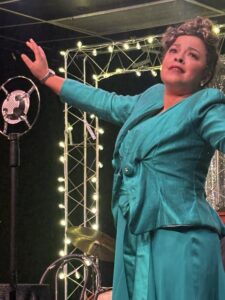 Lisa Graham’s Armelia is powered by boundless energy and a voice capable of effortlessly navigating Waller’s jazz-infused melodies. Her playful “Squeeze Me” is an Act 1 standou, while later numbers such as “Find Out What They Like”, alongside Treece showcase both her comic timing and vocal precision. Graham consistently finds fresh colors within each song, making every appearance memorable.
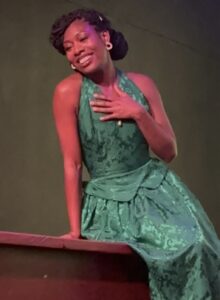 Raven Buntyn proves herself the show’s most versatile performer. One moment she’s the provocative, self-assured Charlaine commanding attention during “Yacht Club Swing.” The next she’s leaning into a more innocent, delightfully ditzy persona. Buntyn handles every shift seamlessly, while her heartfelt “Keepin’ Out of Mischief Now” offers one of the evening’s loveliest vocal moments.
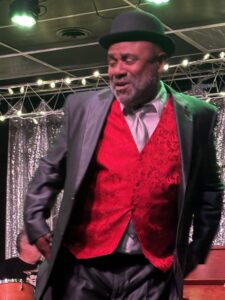 As Ken, Elliott Robinson demonstrates remarkable ease navigating both sides of Waller’s catalog. He is equally comfortable delivering laugh-out-loud comedic lyrics as he is tackling material with deeper emotional resonance. His charming performance of “Honeysuckle Rose” helps establish the production’s playful tone early on, while “I’m Gonna Sit Right Down and Write Myself a Letter” becomes one of Act Two’s most satisfying highlights.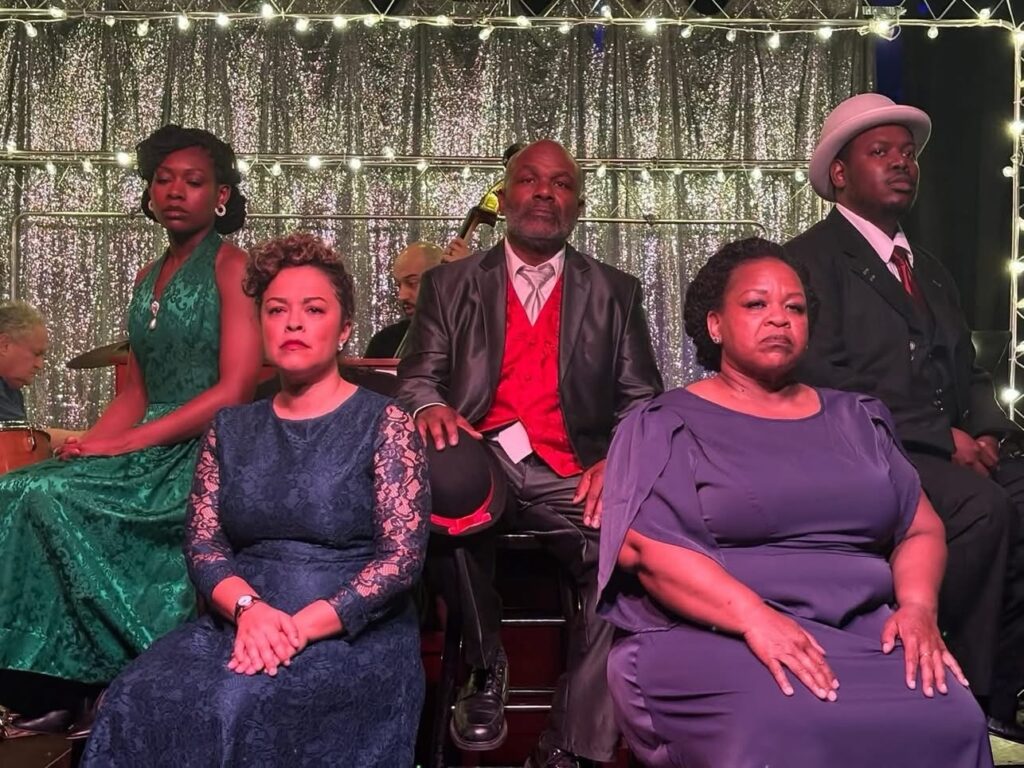
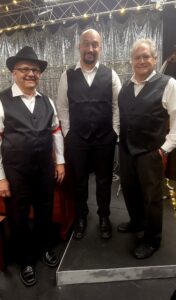 The decision to position the musicians directly onstage pays immediate dividends.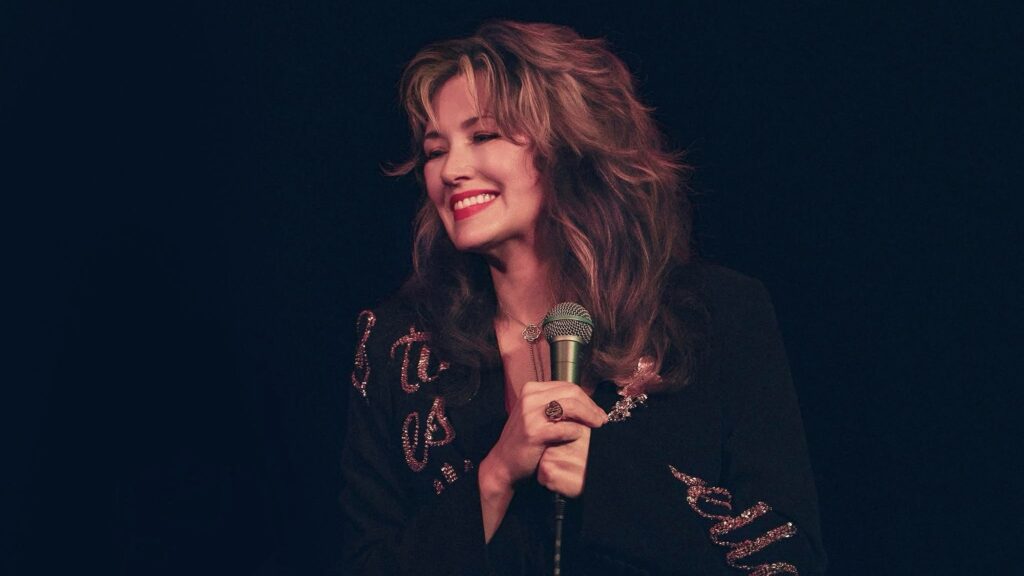
 JHPENTERTAINMENT:
 JHPENTERTAINMENT:
 JHPENTERTAINMENT:
 JHPENTERTAINMENT:
 JHPENTERTAINMENT:
 JHPENTERTAINMENT:
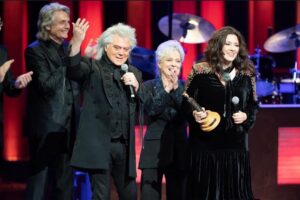
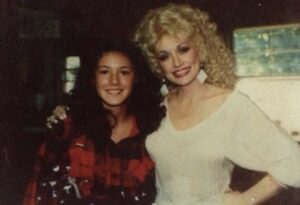
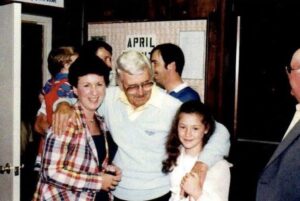 MANDY BARNETT: They were golden opportunities, and I’m grateful for every one of them.It was the first year Dollywood was open, and I was just a kid getting the chance to be around some incredible people. I got to work with Dolly and her family, perform with a live band, and learn things that you simply can’t learn anywhere else.I met Archie Campbell while opening a show that also featured Chet Atkins and Wilma Burgess. Afterward, Archie told me, “Come up anytime. You’re always welcome.” And he meant it. He gave a young singer the opportunity to come perform at his show whenever I wanted, with a real band and a real audience.Looking back, that was an extraordinary gift. Archie didn’t have to do that, but he did. Those experiences gave me confidence, stage time, and memories I’ll always treasure.
 JHPENTERTAINMENT:
 JHPENTERTAINMENT:
 JHPENTERTAINMENT: